
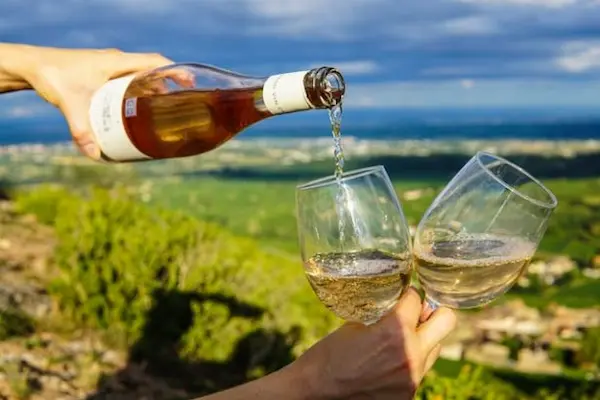
A refined experience of wine tasting in France is not limited to swirling a glass and identifying aromas, because wine in this country represents history, geography, craftsmanship, and a deeply rooted cultural relationship with land and time.
For the cultural traveler, wine tasting France-style is an invitation to slow down, observe details, listen to stories, and understand how each bottle reflects choices made over generations, from grape selection and climate to aging methods and regional identity.
This guide was created to show how wine tasting works in France and where to go for meaningful experiences, offering a clear and elegant overview designed for travelers who appreciate culture, tradition, and context rather than technical complexity.
Instead of focusing on expert-level tasting notes, this article explores how visitors can approach wine tasting with curiosity and respect, learning how experiences are structured, how regions differ, and how to enjoy wine as part of a broader cultural journey.
The objective is to help travelers feel confident and inspired to explore wine tasting in France as a cultural activity that is accessible, educational, and deeply connected to place.
Why Wine Is Central to French Culture
Wine in France is not treated as a luxury reserved for special occasions, but as a cultural product that accompanies meals, social gatherings, and regional identity, which explains why wine education is often informal and experience-based.
This cultural mindset shapes how wine tasting experiences are presented to visitors.
Cultural Roles of Wine in France
- Expression of regional identity.
- Connection between land and tradition.
- Part of everyday meals.
- Symbol of craftsmanship.
Understanding this context adds depth to every tasting.
How Wine Tasting Works in France
Wine tasting in France usually follows a calm and educational rhythm, focusing on understanding rather than performance, which makes the experience approachable even for beginners.
Typical Structure of a Wine Tasting Experience
- Introduction to the estate or region.
- Explanation of grape varieties and terroir.
- Tasting of several wines.
- Discussion and questions.
The atmosphere is usually relaxed and respectful.
Wine Etiquette for Visitors
Basic etiquette helps travelers feel comfortable and ensures a positive experience.
Simple Wine Tasting Etiquette Tips
- Ask questions politely.
- Taste slowly.
- Avoid strong perfumes.
- Focus on learning, not judging.
Curiosity is always welcome.
Structure, Tradition, and Prestige
Bordeaux is one of the most internationally recognized wine regions in France, known for structured wines, historic estates, and a long tradition of blending.
The region offers a formal yet informative tasting environment.
What to Expect from Wine Tasting in Bordeaux
- Estate-focused visits.
- Educational explanations.
- Emphasis on balance and aging.
The experience feels classic and authoritative.
Terroir and Precision
Burgundy is famous for its focus on terroir, where small differences in soil and climate are believed to create distinct expressions in wine.
Tastings here often emphasize subtlety and comparison.
Characteristics of Burgundy Wine Tastings
- Smaller production scale.
- Focus on vineyard plots.
- Detailed regional explanations.
The experience feels thoughtful and precise.
Celebration and Craft
Champagne offers a unique wine tasting experience centered on method, time, and tradition, where visitors learn how sparkling wine is carefully produced and aged.
The region combines technical explanation with celebratory atmosphere.
What Makes Champagne Tastings Distinct
- Focus on production method.
- Cellar visits.
- Explanation of aging processes.
The experience feels festive yet informative.
Diversity and Accessibility
The Loire Valley is known for its diversity of styles and approachable atmosphere, making it ideal for travelers who want to explore different wines without formality.
Tastings here often feel friendly and educational.
Clarity and Expression
Alsace wine tastings emphasize clarity of grape variety and aromatic expression, offering a straightforward and enjoyable learning experience.
The region feels welcoming and structured.
Power and Landscape
The Rhône Valley combines dramatic landscapes with bold wine styles, offering tastings that highlight climate influence and blending traditions.
The experience feels expressive and grounded.
How to Choose the Right Wine Region to Visit
Choosing where to go for wine tasting in France depends on travel style, time available, and personal curiosity.
Questions to Help Choose a Region
- Do you prefer structured or relaxed tastings?
- Are you interested in history or landscape?
- How much time can you dedicate?
Alignment improves satisfaction.
Wine Tasting and Food Pairing
Wine tasting in France is often connected to food culture, even when tastings focus primarily on wine.
How Food Complements Wine Experiences
- Understanding balance.
- Learning regional pairings.
- Enhancing sensory awareness.
Food adds context.
Seasonality and Wine Tasting
The season influences vineyard scenery and the type of experience.
Seasonal Differences
- Spring: quiet and green.
- Summer: vibrant and active.
- Autumn: harvest atmosphere.
- Winter: calm and educational.
Each season offers a different mood.
Common Misconceptions About Wine Tasting in France
You Need Expert Knowledge
Interest matters more than expertise.
Wine Tastings Are Formal
Many are relaxed and friendly.
You Must Buy Wine
Purchases are optional.
Simple Checklist for a Wine Tasting Experience
Before Visiting
- Research regional styles.
- Plan transportation.
During the Tasting
- Listen carefully.
- Taste slowly.
After the Visit
- Reflect on preferences.
Reflection improves understanding.
Frequently Asked Questions About Wine Tasting France
Is wine tasting suitable for beginners?
Yes, many experiences are educational.
Do tastings focus only on wine?
They often include regional context.
Is wine tasting expensive?
Costs vary widely by region.
Final Thoughts: Wine as a Cultural Experience
An elegant approach to wine tasting in France allows travelers to connect with history, landscape, and tradition in a way that feels personal and enriching rather than technical or intimidating.
When wine tasting France experiences are approached with curiosity and openness, they become moments of cultural exchange that deepen understanding of the country and its people.
Which wine region or style resonates most with your cultural interests, and how might it shape your next journey through France?