
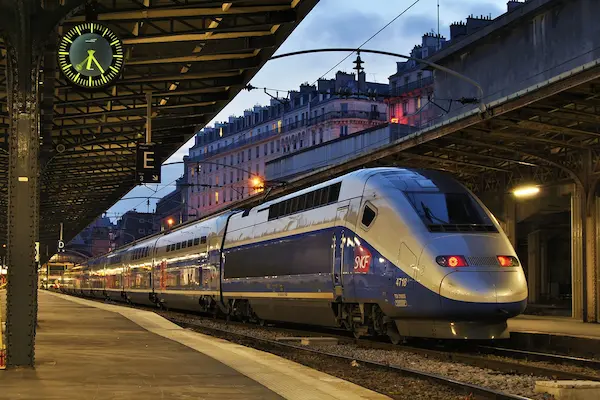
Understanding how transportation in France works is one of the most important steps for any tourist who plans to travel without a car, because the country was designed around strong public transport networks that connect cities, towns, and regions in a way that rewards planning and basic familiarity with the system.
Many visitors arrive with unnecessary anxiety, imagining that moving around France will be complicated due to language barriers, unfamiliar ticket systems, or fear of getting lost, yet the reality is that French transport infrastructure is among the most organized in Europe and can be mastered calmly with a little preparation.
This article was written in a didactic tone for travelers who do not intend to rent a car and want to rely on trains, metro systems, buses, and transport passes, focusing on clarity rather than speed, so that each concept makes sense even if you have never used extensive public transport before.
The objective here is to explain internal transport in France step by step, covering long-distance trains, regional connections, urban metro systems, and the different types of passes available, helping you move confidently while saving time, money, and energy during your trip.
Why Transportation in France Works So Well for Tourists Without a Car
France invested for decades in rail and urban transport as a public service, which means that travelers benefit from dense networks, frequent departures, and stations located directly inside cities instead of far outside urban centers.
For a tourist without a car, this structure removes the stress of driving, parking, tolls, and navigation, while allowing more time to enjoy destinations instead of focusing on logistics.
Main Advantages of Public Transport in France
- Excellent national train coverage.
- Efficient metro systems in major cities.
- Clear separation between long-distance and local transport.
- Predictable schedules and signage.
- Lower environmental impact compared to driving.
These advantages make France especially friendly to car-free travel.
Overview of Transport Options in France
Before going into details, it helps to understand the main categories of transport available, because each one serves a different purpose within the overall system.
Main Types of Transport France Offers
- High-speed trains for long distances.
- Regional trains connecting smaller towns.
- Metro systems inside large cities.
- Buses and trams for local coverage.
Knowing which option fits each situation avoids confusion.
Trains in France: The Backbone of Internal Transportation
When people talk about trains France is known for, they are usually referring to a layered rail system that combines speed, reach, and comfort, making it the preferred way to travel between cities.
High-Speed Trains
High-speed trains connect major cities in very short travel times, often replacing the need for domestic flights.
- Comfortable seating.
- Assigned seats.
- Dedicated stations in city centers.
This option is ideal for longer distances.
Regional Trains
Regional trains serve medium and small towns, often stopping frequently and offering scenic routes through the countryside.
- No seat reservations required in most cases.
- Frequent daily departures.
- Lower cost than high-speed trains.
This is the best choice for exploring less touristy areas.
How Train Stations Work in France
French train stations are generally large, organized spaces that combine ticketing, waiting areas, shops, and clear signage.
What You Will Typically Find
- Electronic departure boards.
- Ticket machines and counters.
- Platform numbers announced shortly before departure.
Arriving a bit early reduces stress.
Understanding Train Tickets and Validation
Train tickets in France come with specific rules depending on the type of train and fare selected.
Important Ticket Concepts
- Some tickets are tied to a specific train.
- Others allow flexible travel within a time window.
- Validation may be required for certain regional tickets.
Always read ticket conditions carefully.
Urban Transport in French Cities
Once inside cities, long-distance trains give way to urban transport systems designed for short, frequent trips.
Metro Systems
Metro networks are common in large cities, with dense coverage and short waiting times.
- Stations close together.
- Simple color-coded lines.
- Frequent service throughout the day.
The metro is ideal for daily sightseeing.
Example: Metro
Paris has one of the most extensive metro systems in the world, allowing visitors to reach almost any neighborhood quickly without needing surface transport.
Buses and Trams: Completing the Network
Buses and trams fill the gaps that trains and metro lines do not cover, especially in residential or suburban areas.
When to Use Buses or Trams
- Short local trips.
- Areas without metro access.
- Scenic routes above ground.
They are slower but very useful.
Transport Passes in France
Transport passes simplify travel by allowing unlimited rides within a certain area or time period.
Why Passes Are Useful
- Cost savings for frequent travel.
- No need to buy individual tickets.
- Less time spent at machines.
Passes suit tourists with full daily schedules.
Types of Passes You May Encounter
- Daily passes.
- Multi-day passes.
- City-specific transport cards.
The best choice depends on travel intensity.
How to Decide Between Individual Tickets and Passes
Choosing the right ticket option requires estimating how much you plan to move each day.
Individual Tickets Work Best When
- Making only a few trips per day.
- Staying in walkable areas.
Passes Are Better When
- Using transport many times daily.
- Changing lines frequently.
Simple math often clarifies the decision.
Traveling Between Regions Without a Car
France’s rail system allows seamless regional travel without needing to drive.
Popular Car-Free Routes
- Major city to major city by high-speed train.
- City to countryside by regional rail.
Connections are usually well timed.
Luggage and Public Transport
Managing luggage is an important concern for tourists without cars.
Luggage Tips
- Pack light whenever possible.
- Use suitcases with good wheels.
- Avoid rush hours with large bags.
Mobility improves comfort significantly.
Accessibility and Ease of Use
Transport systems in France increasingly consider accessibility, although older stations may still present challenges.
General Accessibility Notes
- Newer trains are more accessible.
- Metro stations vary by age.
Planning ahead helps travelers with mobility needs.
Common Mistakes Tourists Make With Transport in France
Not Validating Tickets When Required
This can result in fines.
Underestimating Travel Time During Peak Hours
Rush hours affect comfort.
Carrying Too Much Luggage
Heavy bags reduce flexibility.
Step-by-Step Daily Transport Routine for a Tourist Without a Car
- Plan routes the night before.
- Check departure times calmly.
- Allow buffer time.
- Keep tickets accessible.
- Observe station signage.
Routine builds confidence quickly.
Frequently Asked Questions About Transportation in France
Is it possible to travel all over France without a car?
Yes, especially between cities and towns.
Are trains reliable?
Generally yes, with occasional delays.
Is public transport tourist-friendly?
Signage and systems are designed for ease.
Final Thoughts: Moving Through France With Confidence
Mastering transportation in France is less about memorizing systems and more about understanding the logic behind how trains, metro networks, and passes work together to form a coherent whole.
For a tourist without a car, this knowledge unlocks freedom, allowing spontaneous changes, relaxed travel days, and access to places that would otherwise feel intimidating.
With a calm, didactic approach and a willingness to observe how locals move, transport France offers becomes not a challenge, but a powerful ally in discovering the country at your own pace.
Which type of transport do you think you will rely on the most during your trip, and how might a pass simplify your daily movements?