
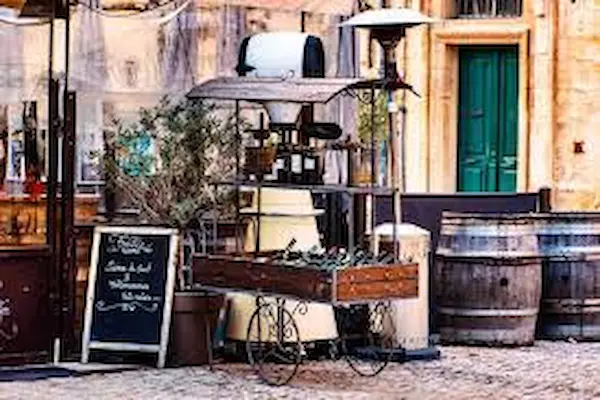
Understanding the french lifestyle means going far beyond famous landmarks, iconic cuisine, or postcard-perfect scenery, because the true French way of life reveals itself quietly in everyday routines, small habits, social codes, and the way time, food, work, and relationships are valued and balanced.
For travelers interested in culture, the appeal of France often grows stronger not during visits to monuments, but while observing ordinary moments, such as a morning stop at the bakery, a long lunch shared without hurry, or a calm conversation at a café that seems unbothered by the passing hours.
This article takes a narrative approach to explain the french way of life, offering a detailed look at customs and habits that shape daily existence, not as rigid rules, but as shared cultural patterns that help explain how French society functions from the inside.
The objective is to help culturally curious travelers develop realistic expectations, avoid misunderstandings, and appreciate the subtle values that define everyday life in France, whether staying for a few days or several weeks.
The Philosophy Behind the French Lifestyle
At its core, the French lifestyle is guided by a philosophy that prioritizes quality over quantity, presence over speed, and balance over excess, creating a cultural environment where enjoyment of daily life is not seen as indulgent, but as essential.
This mindset influences how people eat, work, socialize, rest, and even disagree, shaping a society that may feel slower to outsiders, yet deeply intentional in its rhythms.
Key Values That Shape Daily Life
- Respect for personal time.
- Appreciation of food as culture.
- Clear boundaries between work and private life.
- Importance of social rituals.
These values appear repeatedly in everyday situations.
Daily Rhythms: How a Typical French Day Unfolds
Daily life in France follows a rhythm that may differ from more convenience-driven cultures, with schedules shaped by tradition, social norms, and collective habits rather than constant availability.
Mornings in France
Mornings tend to be relatively calm, often beginning with a simple breakfast and a brief visit to local shops rather than large grocery runs.
- Quick coffee or tea.
- Bread from the bakery.
- Short, purposeful errands.
The morning sets a measured tone for the day.
Midday and Lunch Culture
Lunch holds a central place in the French lifestyle, traditionally seen as a moment to pause rather than a task to rush through.
- Longer lunch breaks.
- Sit-down meals when possible.
- Social interaction during meals.
Food becomes a moment of reconnection.
Evenings and Personal Time
Evenings are often reserved for personal life, family, or social activities, reflecting the importance of boundaries between professional and private spheres.
Food as a Pillar of the French Way of Life
Food is one of the most visible expressions of the French lifestyle, but its significance goes far beyond taste or technique, serving as a social ritual, a cultural marker, and a source of shared identity.
Everyday Eating Habits
- Regular meal times.
- Smaller portions with higher quality.
- Limited snacking.
Meals are structured moments.
Meals as Social Events
Eating together remains important, whether among family members, friends, or colleagues.
- Conversation during meals.
- Minimal distractions.
- Shared dishes when possible.
The table becomes a place of connection.
The Role of Cafés in Daily Life
Cafés play a unique role in the French lifestyle, functioning as social observation points, meeting places, and spaces for reflection rather than simply venues for quick consumption.
How Cafés Are Used
- Meeting friends.
- Reading or writing.
- Watching daily life unfold.
Time spent matters more than speed.
Work Culture and Work-Life Balance
French work culture emphasizes structure and clear separation between professional responsibilities and personal life.
Common Characteristics
- Defined working hours.
- Protected vacation time.
- Respect for personal boundaries.
Balance is considered a right.
Perception of Productivity
Efficiency is valued, but not at the expense of personal well-being.
Social Interactions and Politeness
Social interactions in France are guided by clear codes of politeness that may seem formal at first but provide structure and mutual respect.
Greeting Customs
- Greeting upon entering spaces.
- Acknowledging others before requests.
Courtesy establishes social harmony.
Conversation Style
French conversations often value clarity, nuance, and thoughtful exchange.
- Direct expression.
- Respectful disagreement.
Dialogue is part of cultural identity.
Attitudes Toward Time and Patience
The French lifestyle tends to favor patience over urgency, particularly in social and service contexts.
Where This Is Most Noticeable
- Restaurants.
- Administrative services.
- Social gatherings.
Time is not always rushed.
Family Life and Generational Bonds
Family remains an important foundation of the French way of life, even as modern lifestyles evolve.
Family Habits
- Shared meals.
- Regular gatherings.
- Respect for elders.
Family provides continuity.
Leisure, Culture, and Personal Interests
Leisure is not considered optional but essential to a balanced life.
Common Leisure Activities
- Walking.
- Reading.
- Cultural outings.
Simple pleasures are valued.
Fashion and Appearance in Everyday Life
Appearance carries meaning in French culture, though it is often understated.
General Style Habits
- Neutral colors.
- Clean lines.
- Comfort balanced with presentation.
Effort appears effortless.
Urban Versus Rural Lifestyles
The French lifestyle varies significantly between urban and rural environments.
Urban Life Example
Life in Paris moves faster and feels more formal than in rural areas, yet still maintains strong cultural rituals.
Rural Life Characteristics
- Slower pace.
- Closer community ties.
Both reflect shared values differently.
Common Misconceptions About the French Lifestyle
Assuming Coldness
Reserved behavior often reflects respect.
Confusing Slowness With Inefficiency
Deliberation is intentional.
Expecting Uniform Behavior
Regional diversity is significant.
How Travelers Can Adapt to the French Way of Life
Adaptation requires observation rather than imitation.
Practical Adaptation Tips
- Slow your pace.
- Observe social cues.
- Respect routines.
Flexibility enhances comfort.
Step-by-Step Cultural Immersion Checklist
- Adopt local meal rhythms.
- Practice polite greetings.
- Allow extra time.
- Engage in everyday rituals.
- Remain curious.
Small changes bring deeper understanding.
Why the French Lifestyle Leaves a Lasting Impression
The French lifestyle resonates because it offers an alternative approach to modern life, reminding visitors that enjoyment, reflection, and connection can coexist with productivity.
These values often linger long after the trip ends.
Final Thoughts: Experiencing the French Lifestyle as a Cultural Journey
Experiencing the french lifestyle is not about copying habits, but about understanding the cultural logic that shapes them, allowing travelers to engage respectfully and meaningfully with daily life in France.
For those interested in culture, the French way of life offers lessons in balance, intention, and appreciation of everyday moments.
By observing routines, respecting social norms, and embracing a slower rhythm, travelers gain access to a deeper, more human experience of France.
Which aspect of the French lifestyle do you feel most curious about experiencing firsthand?