
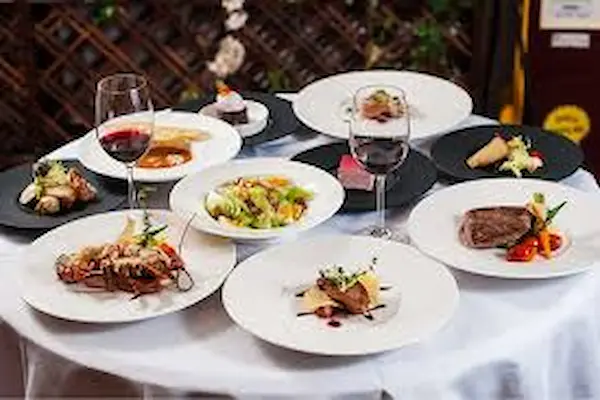
A true french food experience goes far beyond eating well, because gastronomy in France is deeply woven into everyday life, regional identity, social rituals, and the way time is structured around meals, markets, and shared tables.
For the traveler who identifies as a foodie, France represents not just a destination, but a continuous tasting journey where each region, town, and even neighborhood expresses itself through flavors, textures, and traditions that have been refined over generations.
This guide was designed to explore French cuisine travel in a descriptive and immersive way, helping visitors understand what to eat, where flavors come from, how food habits differ by region, and why meals in France feel so meaningful.
Rather than presenting recipes or restaurant lists, this article focuses on experiences, habits, and regional food cultures, allowing travelers to recognize patterns, appreciate differences, and engage more consciously with French gastronomy.
The objective is to help food-focused travelers move from simply consuming French food to truly experiencing it as a cultural language that reflects history, geography, and social values.
Why Food Is Central to French Culture
Food in France is not treated as a secondary pleasure, but as an essential part of life that structures days, relationships, and celebrations, which explains why meals are often protected time rather than rushed necessities.
This mindset shapes how French cuisine developed and why eating in France feels different.
Key Cultural Roles of Food in France
- Daily social connection.
- Transmission of tradition.
- Expression of regional identity.
- Celebration of seasonality.
Understanding this context enriches every meal.
How French Cuisine Is Shaped by Geography
French cuisine varies dramatically from one region to another, largely because climate, terrain, and local resources influence what ingredients are available and how they are prepared.
Mountains, coastlines, plains, and rivers all leave a clear mark on regional dishes.
Main Geographic Influences on French Food
- Coastal access to seafood.
- Mountain dairy and preserved foods.
- Fertile plains for grains and vegetables.
- River valleys for wine and agriculture.
Each region tells a culinary story.
A Culinary Crossroads
Paris is often seen as the heart of French gastronomy, not because it represents a single regional cuisine, but because it brings together influences, ingredients, and traditions from all over the country.
Eating in Paris allows travelers to sample France in miniature.
What Defines the Parisian Food Experience
- Classic bistro cooking.
- Wide regional representation.
- Strong café culture.
Meals here feel both refined and everyday.
Depth, Wine, and Slow Cooking
Burgundy is known for a cuisine built around patience and depth, where slow-cooked dishes and rich sauces reflect a long agricultural tradition and close connection to wine.
This region appeals to travelers who enjoy robust flavors.
Characteristics of Burgundian Cuisine
- Wine-based sauces.
- Hearty meat dishes.
- Seasonal vegetables.
The cuisine feels grounded and generous.
Light, Color, and Mediterranean Influence
Provence offers a lighter and more aromatic food experience, shaped by sun, olive oil, herbs, and proximity to the Mediterranean.
This region highlights freshness and simplicity.
What Defines Provencal Cuisine
- Olive oil as a base.
- Vegetable-forward dishes.
- Herbs and aromatics.
Flavors here feel vibrant and clean.
Sea, Butter, and Simplicity
Brittany’s food culture is strongly tied to the sea, with seafood playing a central role, complemented by a distinctive use of butter rather than olive oil.
The cuisine feels honest and straightforward.
Key Elements of Breton Food
- Fresh seafood.
- Crêpes and galettes.
- Dairy-rich preparations.
The experience feels authentic and coastal.
Comfort and Cross-Border Influence
Alsatian cuisine reflects its border history, combining French techniques with Central European influences, resulting in comforting and hearty dishes.
This region suits travelers who enjoy rustic meals.
Generosity and Tradition
The southwest of France is known for generous portions and deeply traditional cooking, where food is meant to nourish both body and spirit.
The cuisine feels celebratory and warm.
Understanding French Meal Structure
To fully enjoy a french food experience, it helps to understand how meals are traditionally structured and paced.
Typical French Meal Components
- Starter.
- Main course.
- Cheese or dessert.
- Coffee.
The structure encourages slow enjoyment.
Daily Food Habits in France
French eating habits emphasize regularity and balance.
Common Daily Food Patterns
- Light breakfast.
- Structured lunch.
- Longer evening meal.
Snacking is less common.
Markets as the Heart of French Cuisine Travel
Food markets play a crucial role in French culinary life, acting as social spaces where freshness and seasonality are celebrated.
What You Experience at French Markets
- Seasonal produce.
- Regional specialties.
- Direct contact with producers.
Markets reveal local food culture.
Cheese as a Cultural Marker
Cheese in France is not just a product, but a reflection of region, climate, and tradition.
How Cheese Fits Into Meals
- Served after the main course.
- Paired with local wine.
- Chosen seasonally.
Variety reflects diversity.
Wine and Food: A Daily Relationship
Wine in France is often seen as a food companion rather than a luxury.
How Wine Is Integrated Into Meals
- Regionally matched.
- Consumed moderately.
- Part of social moments.
The focus is harmony.
Desserts and Sweets in French Cuisine
French desserts range from refined pastries to simple everyday sweets.
Common Dessert Traditions
- Pastry-based desserts.
- Fruit-focused sweets.
- Light endings to meals.
Sweetness is balanced.
How to Eat Like a Local While Traveling
Experiencing French food authentically often means adapting to local rhythms.
Practical Tips for Foodie Travelers
- Follow meal times.
- Choose seasonal dishes.
- Observe local habits.
Adaptation enhances experience.
Common Mistakes Food Travelers Make
Rushing Meals
Time is part of flavor.
Ignoring Regional Differences
Not all French food is the same.
Focusing Only on Famous Dishes
Local specialties matter.
Simple Checklist for a French Food Experience
Before the Trip
- Learn regional food basics.
- Understand meal structure.
During the Trip
- Eat slowly.
- Try unfamiliar dishes.
After Each Region
- Compare flavors.
Reflection deepens appreciation.
Frequently Asked Questions About French Cuisine Travel
Is French food always formal?
No, daily food is often simple.
Do you need deep knowledge to enjoy it?
Curiosity is enough.
Is regional food easy to find?
Yes, especially outside major cities.
Final Thoughts: Experiencing France Through Food
A meaningful french food experience allows travelers to connect with France through senses, stories, and shared moments that go far beyond taste alone.
When meals are approached with attention, openness, and respect for local rhythms, French cuisine travel becomes a journey of discovery that stays vivid long after the trip ends.
Which region, dish, or food habit from this guide most excites your curiosity, and how might you shape your next trip around it?