
Exploring castles in France is much more than admiring impressive stone buildings, because each castle reflects a specific period of political power, artistic ambition, regional identity, and daily life that shaped the country across centuries.
For the cultural tourist, organizing a france castles route offers a structured way to understand French history through architecture, landscapes, and the stories of kings, queens, nobles, and communities that once revolved around these fortified or elegant residences.
This guide was created to help travelers design a logical and enriching itinerary focused on French castles, highlighting the most important regions, explaining why certain areas are ideal for castle exploration, and suggesting an order of travel that balances distance, depth, and cultural context.
Rather than treating castles as isolated attractions, this article emphasizes routes and regions, allowing each visit to connect naturally with the surrounding landscape, towns, and historical narratives.
The objective is to help you experience French castles not as a checklist, but as a continuous journey through time, power, art, and regional diversity.
Why France Is Ideal for a Castle-Focused Itinerary
France has one of the highest concentrations of castles in Europe, largely due to its long history of feudal structures, royal dynasties, regional conflicts, and later Renaissance transformations that reshaped medieval fortresses into refined residences.
This variety makes France especially suitable for travelers interested in architecture, history, and cultural evolution.
Main Reasons to Follow a Castles Route in France
- Wide range of architectural styles.
- Clear regional differences.
- Strong historical documentation.
- Scenic countryside settings.
Each castle adds a new layer of understanding.
Understanding the Types of Castles in France
Before organizing a route, it helps to understand that not all French castles serve the same purpose or represent the same era, which explains why their appearance and atmosphere vary significantly.
Main Categories of French Castles
- Medieval fortified castles built for defense.
- Renaissance châteaux designed for comfort and display.
- Royal residences linked to political power.
- Regional noble estates reflecting local styles.
Recognizing these categories enriches the visit.
The Loire Valley: The Heart of the France Castles Route
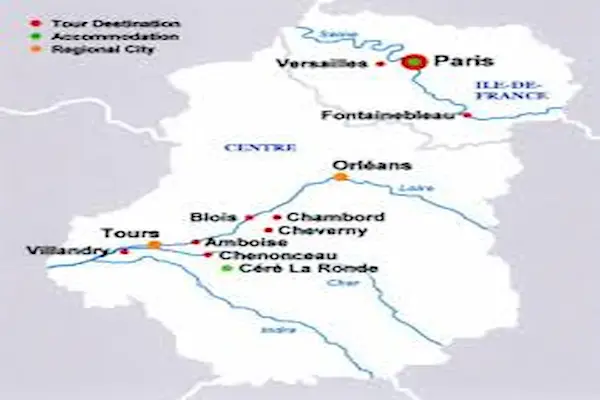
The Loire Valley is widely considered the centerpiece of any french castles travel itinerary, because it concentrates an extraordinary number of castles within a relatively compact and picturesque region.
This area became especially important during the Renaissance, when French kings and nobles transformed the valley into a center of political life and artistic innovation.
Why the Loire Valley Is Essential
- High density of castles.
- Accessible distances between sites.
- Balanced mix of history and landscape.
The region offers both grandeur and harmony.
Monumental Ambition
The Château de Chambord stands as one of the most impressive and ambitious castles in France, designed to demonstrate royal power and architectural innovation rather than serve as a permanent residence.
Its scale and distinctive features make it a defining symbol of Renaissance ambition.
Why Chambord Is a Highlight
- Iconic architectural design.
- Vast surrounding grounds.
- Strong connection to royal history.
The visit emphasizes grandeur over intimacy.
Elegance and Harmony
Chenonceau is often described as one of the most elegant castles in France, distinguished by its graceful arches spanning a river and its strong association with influential women in French history.
The atmosphere here feels refined and balanced.
What Makes Chenonceau Special
- Unique river-crossing design.
- Well-preserved interiors.
- Intimate gardens.
This castle combines beauty with narrative depth.
Royal Life and Views
The Château d’Amboise offers insight into royal daily life while also providing sweeping views over the Loire River and surrounding town.
This site connects architectural presence with lived history.
Moving Beyond the Loire Valley
Although the Loire Valley forms the core of many itineraries, expanding beyond it allows travelers to experience different castle styles and historical contexts.
Medieval Strongholds
The Dordogne region is known for its medieval castles perched on cliffs or overlooking rivers, reflecting centuries of conflict and territorial defense.
This area offers a more rugged and dramatic castle experience.
Why Include Dordogne in a Castles Route
- Authentic medieval architecture.
- Scenic natural settings.
- Strong sense of regional history.
The castles here feel defensive and imposing.
Fortress Dominance
Château de Beynac dominates its surroundings from a cliff, offering a powerful impression of medieval military architecture and strategic placement.
The visit emphasizes defense and control.
Castles and Border History
Alsace features numerous castle ruins and fortifications scattered across forested hills, reflecting centuries of border conflict and shifting political control.
This region offers a quieter and more exploratory castle experience.
Restored Power
Château du Haut-Kœnigsbourg was carefully restored to illustrate medieval life and military strength, offering visitors a structured and immersive experience.
The elevated location adds dramatic perspective.
Cathar Castles and Legends
Occitanie is home to the Cathar castles, which are often ruins perched on remote peaks, tied to religious conflict and resistance.
This route suits travelers interested in history, landscape, and myth.
What Defines the Cathar Castles
- Remote hilltop locations.
- Ruined yet evocative structures.
- Strong historical symbolism.
The experience feels adventurous.
How to Organize a Logical France Castles Route
Creating a successful castles itinerary requires balancing travel distances with cultural depth.
Suggested Route Structure
- Begin in the Loire Valley.
- Continue to one secondary region.
- Focus on quality over quantity.
- Allow countryside travel days.
This approach prevents fatigue.
Time Allocation for Castle Visits
Castles vary in size and complexity, which affects how much time each requires.
General Time Guidelines
- Major castles: half to full day.
- Smaller castles: one to two hours.
- Ruins: flexible visits.
Adjust based on interest level.
Transportation for French Castles Travel
Transportation choice influences access and flexibility.
Common Options
- Car rental for countryside routes.
- Trains combined with local transport.
A car often enhances freedom.
Seasonal Considerations
The atmosphere of castle regions changes with the seasons.
Seasonal Characteristics
- Spring offers mild weather and gardens.
- Summer brings longer days.
- Autumn adds color and calm.
Each season adds a different mood.
Common Mistakes in Castle Itineraries
Trying to See Too Many Castles
Repetition reduces impact.
Ignoring Regional Context
Castles reflect their surroundings.
Skipping Time for Reflection
Pauses deepen understanding.
Simple Checklist for a France Castles Route
Before the Trip
- Select primary regions.
- Study castle types.
During the Trip
- Balance visits with travel.
- Observe landscapes.
After Each Region
- Compare styles and stories.
Connection builds across stops.
Frequently Asked Questions About French Castles Travel
Is the Loire Valley enough for a castles trip?
It provides a strong foundation.
Are castle routes suitable for families?
Yes, with pacing adjustments.
Do ruins offer value?
They provide atmosphere and context.
Final Thoughts: Castles as a Narrative of France
Following a well-structured france castles route allows cultural travelers to experience French history as a continuous story told through stone, landscape, and regional diversity.
When castles are visited as part of a broader journey rather than isolated attractions, they reveal how power, art, and everyday life evolved across centuries.
Which region or castle style from this route most captures your curiosity, and how might you shape your own journey to reflect that interest?