
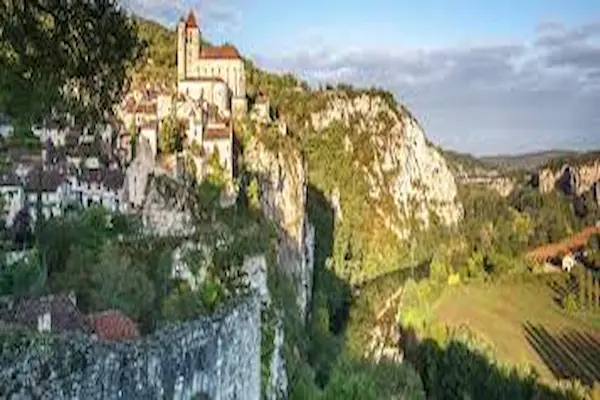
Exploring countryside experiences France offers a completely different perspective from the one shaped by famous cities, iconic landmarks, and fast-paced itineraries, because rural France invites travelers to slow down, observe daily rhythms, and connect with people, landscapes, and traditions that have evolved over centuries with remarkable continuity.
For the slow travel tourist, rural France is not about checking attractions off a list, but about experiencing time differently, where mornings unfold quietly, meals stretch longer, conversations happen naturally, and the environment itself becomes part of the journey rather than a backdrop.
This guide was written with a descriptive and immersive approach, aiming to present rural France experiences that reflect real local life, from village routines and agricultural traditions to nature-based activities and community encounters that rarely appear in classic travel itineraries.
The objective is to help travelers understand what countryside travel in France truly offers, how it differs from urban tourism, and what kinds of authentic experiences can emerge when one chooses patience, curiosity, and presence over speed.
Why the French Countryside Is Central to National Identity
France’s countryside is not simply a geographical space outside cities, but a foundational element of the country’s cultural, culinary, and social identity, deeply connected to food traditions, regional pride, and historical continuity.
Many customs that define French culture today, including cuisine, festivals, and social rituals, originated in rural settings long before becoming symbols of national heritage.
What the Countryside Represents in France
- Preservation of regional traditions.
- Strong connection to land and seasons.
- Community-based social life.
- Transmission of skills across generations.
Understanding this context enriches every rural encounter.
What Slow Travel Means in the French Countryside
Slow travel in rural France emphasizes quality of experience rather than quantity of destinations, encouraging travelers to stay longer in one place and engage more deeply with their surroundings.
This approach aligns naturally with countryside life, where daily schedules are less rigid and meaningful experiences often arise spontaneously.
Core Principles of Slow Travel
- Fewer locations, longer stays.
- Deeper engagement with locals.
- Respect for natural rhythms.
- Mindful observation.
The countryside rewards this mindset generously.
Village Life: Everyday Experiences That Define Rural France
Staying in a small village allows travelers to witness daily life as it unfolds, offering insights that cannot be planned or scheduled.
Typical Village Rhythms
- Quiet mornings.
- Midday pauses.
- Evening social moments.
Time feels measured by light and habit rather than urgency.
Village Social Spaces
In many villages, a few shared spaces form the heart of community life.
- The local bakery.
- The village square.
- Small cafes or bars.
These places offer organic interaction.
Rural Accommodation as an Experience, Not Just a Place to Sleep
Accommodation in the countryside often becomes part of the experience itself, shaping how travelers interact with their environment.
Common Rural Accommodation Types
- Farmhouses.
- Village guesthouses.
- Converted stone homes.
Staying on-site encourages immersion.
What Rural Stays Typically Offer
- Peace and quiet.
- Natural surroundings.
- Personal interaction with hosts.
Hospitality feels informal yet genuine.
Food-Centered Experiences in Rural France
Food lies at the heart of countryside experiences, because rural life remains closely tied to agriculture, seasonality, and local production.
Farm-to-Table Encounters
- Meals prepared with local ingredients.
- Direct knowledge of food origins.
Eating becomes an educational experience.
Seasonal Eating
Menus often change with the seasons, reflecting availability rather than trends.
- Spring vegetables.
- Summer fruits.
- Autumn harvest dishes.
- Winter comfort foods.
Seasonality shapes both taste and routine.
Markets and Local Producers in Rural Areas
Rural markets differ from urban ones in scale and intimacy, often functioning as weekly social events rather than daily necessities.
What Makes Rural Markets Special
- Direct producer interaction.
- Limited but high-quality selection.
- Strong sense of familiarity.
Markets reflect community ties.
Nature-Based Experiences in the French Countryside
Natural landscapes play an essential role in countryside experiences, offering opportunities for gentle exploration rather than adrenaline-focused activities.
Common Nature Activities
- Walking trails.
- Cycling through villages.
- Picnics in natural settings.
Nature is integrated into daily life.
Landscape Diversity
France’s countryside varies widely, from rolling hills to vineyards, forests, and agricultural plains.
- Vineyard landscapes.
- Pastoral farmland.
- River valleys.
Each region tells a different story.
Rural France Through the Seasons
Seasonality dramatically affects countryside life, influencing work rhythms, social activity, and available experiences.
Spring in the Countryside
- Renewal of landscapes.
- Planting activities.
Summer in the Countryside
- Outdoor meals.
- Village festivals.
Autumn in the Countryside
- Harvest traditions.
- Food-focused gatherings.
Winter in the Countryside
- Quiet routines.
- Indoor social life.
Each season offers distinct charm.
Learning Traditional Skills and Crafts
Many rural regions preserve traditional skills that remain part of everyday life.
Examples of Local Know-How
- Cheese making.
- Winemaking.
- Bread baking.
Observation often leads to learning.
Social Interactions in Rural Settings
Social dynamics in rural France tend to be more personal and less anonymous than in cities.
What Travelers Often Notice
- More greetings.
- Longer conversations.
- Curiosity toward visitors.
Respectful engagement is usually welcomed.
Transportation and Movement in the Countryside
Movement in rural areas happens at a slower pace and often requires planning.
Mobility Considerations
- Limited public transport schedules.
- Greater distances between villages.
Planning enhances freedom.
Common Misconceptions About Rural France
Assuming Lack of Comfort
Comfort exists, but in simpler forms.
Expecting Constant Entertainment
Experiences are subtle rather than spectacular.
Believing Locals Are Closed-Off
Respect opens doors.
How to Prepare for Countryside Experiences France Offers
Preparation ensures smoother integration into rural life.
Practical Preparation Tips
- Pack for comfort, not fashion.
- Learn basic polite expressions.
- Adjust expectations.
Mindset matters more than logistics.
Step-by-Step Guide to Embracing Rural France
- Choose one region.
- Stay multiple nights.
- Observe local routines.
- Engage respectfully.
- Allow unplanned moments.
Depth replaces speed.
Why Rural Experiences Create Lasting Memories
Countryside experiences often linger longer in memory because they involve participation rather than observation, connection rather than consumption.
Moments such as shared meals, quiet walks, and unexpected conversations become emotional anchors of the journey.
Final Thoughts: Slowing Down With Countryside Experiences France Provides
Choosing countryside experiences France offers is an invitation to travel differently, prioritizing presence, authenticity, and human connection over efficiency and accumulation.
For the slow travel tourist, rural France becomes not just a destination, but a teacher, offering lessons in patience, simplicity, and appreciation of everyday beauty.
By embracing rural rhythms and remaining open to subtle experiences, travelers discover a France that feels deeply human, quietly rich, and profoundly rewarding.
What aspect of rural life do you feel most drawn to experiencing during your time in the French countryside?