
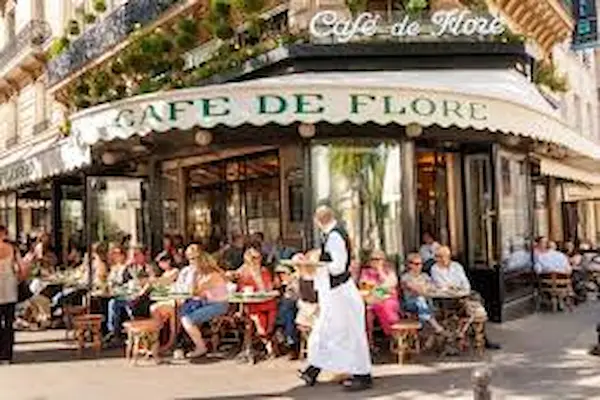
Exploring café culture in France means entering one of the most emblematic and emotionally rich aspects of everyday French life, because cafés are not simply places to drink coffee, but social stages where daily routines, conversations, reflections, and silent observations naturally unfold.
For the urban traveler, French cafés often become familiar landmarks within a city, serving as anchors in the rhythm of the day, places to pause between activities, or even temporary living rooms where time seems to stretch without pressure.
This article was written to explain french café culture in a light and accessible way, helping visitors understand not only how cafés function, but also how to enjoy them properly, respectfully, and comfortably, without feeling rushed or out of place.
The objective is to reveal the unspoken rules, habits, and pleasures associated with cafés in France, allowing travelers to experience them not as quick stops, but as meaningful parts of daily life.
Why Cafés Matter So Much in French Life
Cafés occupy a unique position in French society, acting as social connectors that bridge public and private life, where people can be alone together, share conversations, or simply observe the world without obligation.
Historically, cafés have played central roles in intellectual, artistic, and political life, yet today their importance remains rooted in everyday usage rather than historical symbolism.
The Social Role of Cafés
- Meeting points for friends and colleagues.
- Places for quiet reflection.
- Spaces for people-watching.
- Neutral ground for informal conversations.
Cafés function as extensions of the street.
What Makes French Café Culture Different
Travelers accustomed to takeaway coffee culture may initially find French cafés surprising, because speed and efficiency are not the primary goals.
In France, ordering a coffee usually implies staying, sitting, and participating in the atmosphere rather than simply consuming a drink.
Key Cultural Differences
- Less emphasis on takeaway.
- No pressure to leave quickly.
- Service that prioritizes discretion.
- Value placed on time spent.
The experience matters as much as the beverage.
The Rhythm of a Day in a French Café
Cafés change character throughout the day, adapting to different rhythms and social needs.
Morning Café Atmosphere
Mornings are often calm and functional, with locals stopping briefly for coffee before work.
- Espresso at the counter.
- Quick greetings.
- Minimal conversation.
The morning café sets the tone.
Midday and Afternoon Cafés
As the day progresses, cafés become places to pause, especially during lunch breaks or quiet afternoons.
- Longer sitting times.
- Light meals or pastries.
- Casual conversations.
Time slows noticeably.
Evening Café Life
In the evening, cafés transform into social hubs where drinks, discussions, and shared moments extend into the night.
- Relaxed social gatherings.
- Extended conversations.
- Observation of street life.
Evenings emphasize connection.
Understanding Café Seating: Inside vs Terrace
Where you sit in a French café influences not only price, but also experience.
Terrace Seating
Sitting outside is often considered the classic café experience.
- Ideal for people-watching.
- More relaxed atmosphere.
- Slightly higher prices.
The terrace feels theatrical.
Indoor Seating
Inside seating tends to be quieter and more intimate.
- Better for reading or writing.
- Less exposure to noise.
Indoors encourages reflection.
Ordering at a French Café: What to Expect
Ordering coffee in France involves cultural nuances that can confuse first-time visitors.
Common Coffee Orders
- Espresso.
- Coffee with milk.
- Small variations rather than large sizes.
Portions are intentional.
Service Style
Service is usually calm and unobtrusive, allowing customers to enjoy their time without interruption.
- No constant check-ins.
- Bill requested when ready.
Autonomy is respected.
The Role of Conversation in Café Culture
Conversation plays a central role in cafés, but silence is equally acceptable.
Social Conversations
- Friends catching up.
- Colleagues discussing work.
Being Alone in a Café
Sitting alone in a café is entirely normal and culturally accepted.
- Reading.
- Writing.
- Quiet observation.
Solitude is not awkward.
People-Watching as a Cultural Practice
One of the most distinctive pleasures of café culture in France is people-watching, which is considered an acceptable and even enjoyable pastime.
Why People-Watching Matters
- Observation without judgment.
- Connection to urban life.
- Sense of belonging.
The café becomes a viewing platform.
Café Etiquette: Small Rules That Matter
Although cafés feel relaxed, certain unwritten rules guide behavior.
Basic Etiquette Tips
- Greet staff when arriving.
- Wait to be seated if unsure.
- Ask for the bill when ready.
Courtesy enhances the experience.
Cafés Across Different French Settings
Café culture varies depending on location, while core values remain consistent.
Urban Cafés
In large cities like :contentReference[oaicite:1]{index=1}, cafés are abundant and diverse, reflecting neighborhood personalities.
- Fast-paced surroundings.
- Wide range of styles.
Small Town Cafés
In smaller towns, cafés often serve as community centers.
- Familiar faces.
- Slower pace.
Community ties are stronger.
Food and Snacks in Cafés
Food offerings at cafés are usually simple but meaningful.
Typical Café Foods
- Pastries.
- Simple sandwiches.
- Light meals.
The focus remains on quality.
Time Perception and Length of Stay
One of the most striking aspects of café culture in France is the freedom to stay without pressure.
How Long Is Too Long?
There is rarely a strict limit, as long as space is respected.
- Ordering something is expected.
- Lingering is acceptable.
Time is flexible.
Common Mistakes Travelers Make in French Cafés
Rushing the Experience
Cafés reward patience.
Expecting Immediate Service
Service follows a calm rhythm.
Misunderstanding Silence
Quiet does not mean neglect.
How to Fully Enjoy Café Culture in France
Enjoying cafés fully requires a shift in mindset rather than specific knowledge.
Practical Tips for Travelers
- Choose a comfortable seat.
- Put your phone away occasionally.
- Observe surroundings.
Presence enhances pleasure.
Step-by-Step Guide to Your First Café Experience
- Enter calmly.
- Greet staff politely.
- Select seating.
- Order simply.
- Stay as long as comfortable.
The process is intuitive.
Why Café Culture Leaves a Lasting Impression
Café culture often remains one of the most memorable aspects of a trip to France, because it offers something rare in modern life: permission to slow down without justification.
Moments spent in cafés often become emotional anchors of travel memories.
Final Thoughts: Embracing Café Culture in France as a Way of Being
Experiencing café culture in France is not about drinking coffee the “right” way, but about embracing a different relationship with time, space, and social presence.
For the urban traveler, cafés offer moments of calm within busy environments, teaching that observation, conversation, and simple enjoyment are valid uses of time.
By sitting down, slowing your pace, and allowing yourself to simply be present, you step into one of the most authentic expressions of the French way of life.
How do you imagine café culture might change the way you experience a city in France?