
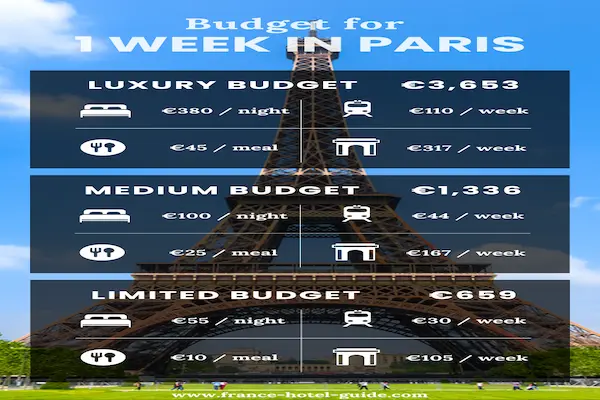
Building a realistic france travel budget is one of the most important steps when planning a trip, especially for travelers who feel anxious about overspending or returning home with unexpected credit card bills that overshadow the joy of the journey.
France has a reputation for being expensive, yet that image often comes from incomplete comparisons or travel styles that do not reflect how most visitors actually spend their money, because costs can vary enormously depending on cities, seasons, accommodation choices, and daily habits.
This guide was created to help you estimate a France trip cost in a clear, practical, and honest way, breaking expenses into understandable categories while offering realistic averages rather than extreme luxury or ultra-budget scenarios.
Instead of promising that France is cheap or expensive, this article focuses on control, showing how planning decisions affect your travel budget France-style, and how small adjustments can dramatically change the final number.
The objective is to give cost-conscious travelers confidence, clarity, and concrete tools to plan a trip that fits their financial comfort zone without sacrificing essential experiences.
Understanding What Shapes a France Travel Budget
Before looking at numbers, it is essential to understand what actually influences travel costs in France, because many travelers overestimate some categories while underestimating others.
Costs are rarely random.
Main Factors That Affect Your France Trip Cost
- Travel season.
- Cities and regions visited.
- Length of stay.
- Accommodation type.
- Transportation choices.
- Food habits.
- Activity style.
Once these variables are clear, budgeting becomes predictable.
Daily Budget Ranges: What Most Travelers Actually Spend
While every trip is different, most travelers fall into one of three broad spending styles, and understanding these categories helps you quickly see where you might fit.
Estimated Daily France Travel Budget per Person
- Budget style: lower daily spending with simple accommodation and meals.
- Mid-range style: balanced comfort, private rooms, and regular dining out.
- Comfort style: higher-end hotels, frequent restaurants, and paid attractions.
Rather than assigning rigid numbers, it is more useful to understand how spending choices add up across categories.
Flights: The First Big Cost to Plan
Flights often represent the largest single expense in a France travel budget, yet they also offer the greatest opportunity for savings if planned carefully and early.
What Influences Flight Prices to France
- Departure country and city.
- Time of year.
- Flexibility with dates.
- Baggage choices.
Flying into major hubs such as :contentReference[oaicite:1]{index=1} is usually cheaper due to competition, while regional airports may cost more but save time inside France.
Budget Tip for Flights
When estimating your France trip cost, always include baggage fees and seat selection if those matter to you, because base fares alone can be misleading.
Accommodation Costs in France
Accommodation is typically the second-largest expense, and it is also the category where travelers have the most flexibility to adjust their budget without reducing enjoyment.
Main Accommodation Options and Cost Tendencies
- Hostels and shared rooms: lowest cost, social environment.
- Budget hotels: private rooms with limited services.
- Mid-range hotels: comfort, central locations, reliable amenities.
- Short-term rentals: variable pricing, useful for longer stays.
Location often matters more than hotel category.
City vs Smaller Town Accommodation Costs
Major cities such as Paris, Lyon, and Nice generally cost more per night, while smaller towns and rural areas often provide better value and larger spaces for the same price.
Budget Tip for Accommodation
Staying slightly outside the historical center but near reliable public transport often reduces accommodation costs while keeping daily logistics simple.
Transportation Inside France
Transportation costs inside France depend heavily on how many places you visit and how far apart they are, which is why slower itineraries are often cheaper and more enjoyable.
Common Transportation Options and Costs
- Public transport in cities.
- Intercity trains.
- Domestic flights.
- Car rentals.
Urban Transportation
Most large French cities have efficient public transport systems, and daily or multi-day passes often reduce costs compared to individual tickets.
Intercity Travel
Train travel can be cost-effective when booked early, but last-minute tickets may significantly increase your France travel budget.
Car Rental Considerations
Renting a car makes sense mainly for countryside regions, yet costs should include fuel, parking, tolls, and insurance, which many travelers forget to add.
Food Costs: Eating Well Without Overspending
Food is one of the most enjoyable aspects of traveling in France, yet it does not need to be the most expensive if you balance restaurant meals with simpler options.
Typical Food Spending Categories
- Breakfast.
- Lunch.
- Dinner.
- Snacks and drinks.
Ways Food Choices Affect Your Travel Budget France
Choosing a sit-down restaurant for every meal will increase costs quickly, while mixing markets, bakeries, and casual eateries allows you to eat well at a lower daily average.
Budget Tip for Food
Many travelers save money by making lunch the main restaurant meal and choosing simpler dinners, which often aligns better with energy levels after long days of walking.
Attractions, Museums, and Activities
Attraction costs vary widely, and while some experiences are essential, others can be skipped without regret depending on your interests.
Types of Activity Expenses
- Museums and monuments.
- Guided tours.
- Day trips.
- Special experiences.
Balancing Paid and Free Activities
France offers many free or low-cost experiences, such as walking neighborhoods, parks, markets, and scenic viewpoints, which help balance paid attractions.
Budget Tip for Attractions
Instead of trying to see everything, choose a few meaningful activities and leave space for free exploration, which often becomes the most memorable part of the trip.
Shopping and Souvenirs
Shopping is a highly personal expense, yet it should be included in your France travel budget, even if only as a small allowance, because impulse purchases are common when traveling.
Common Souvenir Spending Areas
- Food products.
- Local crafts.
- Clothing and accessories.
Budget Tip for Souvenirs
Deciding in advance what type of souvenir matters to you prevents overspending on items that lose meaning after the trip.
Hidden and Often Forgotten Costs
Many travelers underestimate their France trip cost because they forget small but frequent expenses that accumulate over time.
Commonly Overlooked Expenses
- Airport transfers.
- Checked luggage storage.
- Tips in tourist-heavy areas.
- ATM or foreign transaction fees.
- Snacks and bottled drinks.
Including these in your budget avoids unpleasant surprises.
Sample Daily Budget Breakdown
Seeing a typical daily breakdown helps transform abstract numbers into a realistic picture.
Example of a Balanced Daily France Travel Budget
- Accommodation: one night in a mid-range hotel.
- Transportation: daily public transport pass.
- Food: one restaurant meal, one casual meal, snacks.
- Attractions: one paid activity.
This structure allows comfort without excess.
How Seasonality Affects Your France Trip Cost
Seasonal timing has a direct impact on accommodation, flights, and even food prices in tourist areas.
Cost Tendencies by Season
- High season: highest prices and demand.
- Shoulder season: balanced costs and availability.
- Low season: lower prices with some limitations.
Flexible travelers benefit the most from off-peak periods.
Money Management While Traveling
Managing money during the trip is as important as planning the budget beforehand, because poor payment choices can increase costs unnecessarily.
Practical Money Management Tips
- Use cards for most payments when possible.
- Withdraw cash in moderate amounts.
- Track expenses daily in a simple way.
Awareness reduces stress.
Emergency Buffer: Why It Matters
An emergency buffer protects your trip from unexpected situations such as transport disruptions, medical needs, or accommodation changes.
What an Emergency Buffer Covers
- Last-minute transportation.
- Unexpected accommodation.
- Essential purchases.
Planning for emergencies is a sign of good budgeting.
Ways to Reduce Your France Travel Budget Without Reducing Quality
Saving money does not have to mean sacrificing experience, because many cost-saving strategies also improve comfort and authenticity.
Smart Budget-Saving Strategies
- Travel slower and stay longer in fewer places.
- Mix paid attractions with free experiences.
- Choose location wisely rather than luxury.
- Eat like a local for some meals.
Intentional choices lead to better trips.
Common Budget Mistakes to Avoid
Underestimating Daily Small Expenses
Small costs add up quickly.
Overpacking the Itinerary
Rushed travel increases spending.
Ignoring Transportation Costs
Moving frequently is expensive.
France Travel Budget Checklist
Before Booking
- Define total budget range.
- Choose travel season.
- Decide accommodation level.
During Planning
- Estimate daily costs.
- Add transportation expenses.
- Include emergency buffer.
Before Departure
- Confirm payment methods.
- Prepare expense tracking.
A checklist keeps planning organized.
Frequently Asked Questions About France Trip Cost
Is France always expensive?
No, costs depend on choices.
Can you travel France on a moderate budget?
Yes, with planning and balance.
What costs surprise travelers most?
Accommodation and transport changes.
Final Thoughts: Taking Control of Your France Travel Budget
A well-planned france travel budget turns financial uncertainty into confidence, allowing you to focus on enjoying the journey rather than worrying about every expense.
When you understand how a France trip cost is built and how your decisions shape it, you gain the freedom to design a trip that feels both financially responsible and emotionally rewarding.
Which budget category feels most uncertain for you right now, and what small adjustment could make your planning feel more secure?