
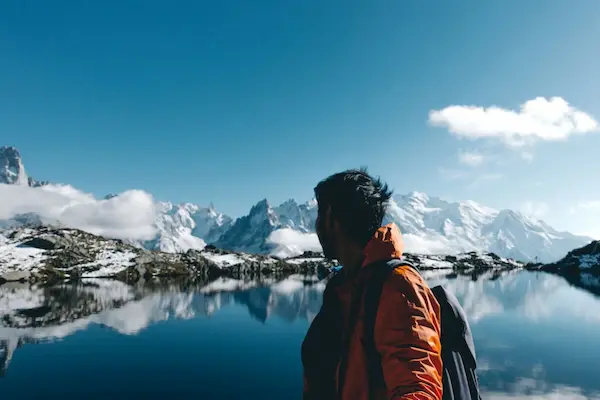
Planning a france mountain itinerary is one of the most rewarding ways to experience the country beyond its cities and coastline, because the French mountains reveal a side of France shaped by altitude, seasons, traditions, and a deep relationship between people and nature.
For the active traveler who enjoys movement, scenery, and outdoor experiences, France offers two major mountain systems with very distinct personalities, each capable of supporting a rich and well-structured journey focused on hiking, scenic drives, mountain villages, and seasonal activities.
This guide was designed to help travelers organize a mountain-focused trip through France, with clear explanations of the Alps and the Pyrenees, suggestions for logical routes, and an overview of activities that suit different fitness levels and travel styles.
Rather than presenting the mountains as isolated destinations, this itinerary connects regions, landscapes, and experiences, allowing travelers to understand how geography, culture, and lifestyle change as altitude increases.
The objective is to provide an informative yet inspiring framework that helps active tourists design a realistic and enjoyable mountain journey through France.
Why Choose a Mountain Itinerary in France
France’s mountain regions are not only visually impressive, but also well-prepared for visitors, offering infrastructure, marked trails, and villages that combine outdoor access with comfort.
This balance makes France particularly appealing for travelers who want adventure without sacrificing safety or accessibility.
Main Reasons to Travel Through the French Mountains
- Diverse landscapes within short distances.
- Strong outdoor culture.
- Well-maintained trails and roads.
- Seasonal variety of activities.
Mountains here feel welcoming rather than extreme.
Understanding France’s Two Major Mountain Regions
When planning a france mountain itinerary, it is essential to understand the differences between the Alps and the Pyrenees, because each region offers a distinct atmosphere, terrain, and travel rhythm.
Overview of the Main Mountain Systems
- The Alps, known for dramatic peaks and alpine resorts.
- The Pyrenees, known for rugged terrain and natural borders.
Choosing one or combining both depends on time and interest.
Iconic Peaks and Alpine Landscapes
The French Alps represent one of the most iconic mountain regions in Europe, characterized by high peaks, glacial valleys, and a long tradition of mountain tourism that dates back more than a century.
This region is ideal for travelers who enjoy dramatic scenery, cable cars, and a wide range of outdoor activities.
Key Characteristics of the French Alps
- High-altitude peaks.
- Wide alpine valleys.
- Well-developed mountain towns.
The Alps feel grand and expansive.
Symbol of the Alps
Mont Blanc dominates the Alps both visually and symbolically, attracting climbers, hikers, and sightseers who come to admire its scale rather than conquer its summit.
The surrounding area offers accessible viewpoints and trails suitable for active travelers without technical climbing ambitions.
Why Mont Blanc Area Is Essential
- Unmatched alpine scenery.
- Variety of hiking options.
- Strong mountain culture.
The presence of the mountain shapes the entire region.
Base for Alpine Exploration
Chamonix serves as one of the main gateways to the high Alps, combining a lively town atmosphere with immediate access to mountain trails and scenic viewpoints.
The town works well as a multi-day base for exploration.
Activities for Active Travelers in the Alps
The Alps offer a wide range of activities that can be adapted to different levels of fitness and experience.
Popular Alpine Activities
- Day hiking and multi-day treks.
- Scenic cable car rides.
- Mountain biking.
- Lake swimming at lower altitudes.
Variety allows flexible planning.
Protected Alpine Nature
Vanoise National Park offers a quieter alpine experience, with protected landscapes, wildlife observation, and marked trails that emphasize nature over resort infrastructure.
This area appeals to travelers seeking immersion.
Transitioning from the Alps to the Pyrenees
Traveling between France’s mountain regions involves long distances, which makes it important to plan rest days or intermediate stops.
Combining both regions works best on longer trips.
Wild Terrain and Border Culture
The Pyrenees form a natural border between France and Spain, offering a mountain experience that feels wilder and less polished than the Alps.
This region suits travelers who enjoy raw landscapes and slower rhythms.
Defining Features of the Pyrenees
- Steep valleys.
- Less crowded trails.
- Strong local traditions.
The atmosphere feels remote and authentic.
Dramatic Natural Formations
The Cirque de Gavarnie is one of the most impressive natural sites in the Pyrenees, featuring towering cliffs and a dramatic amphitheater shape carved by glaciers.
The hike to reach it is accessible to many travelers.
Gateway to the Central Pyrenees
Lourdes serves as a practical base for exploring the central Pyrenees, offering access to valleys, hiking routes, and mountain passes.
The town combines services with proximity to nature.
Outdoor Activities in the Pyrenees
The Pyrenees encourage slower exploration and close contact with the landscape.
Typical Pyrenees Activities
- Hiking through valleys.
- Mountain lake exploration.
- Wildlife observation.
- Scenic mountain drives.
Activities feel grounded and physical.
Seasonal Considerations for Mountain Travel
Timing plays a crucial role in a france mountain itinerary, because conditions vary significantly throughout the year.
Seasonal Overview
- Late spring offers greenery at lower altitudes.
- Summer provides full trail access.
- Early autumn brings color and calm.
Winter travel requires specialized planning.
Designing a Logical France Mountain Itinerary
Organizing a mountain trip requires balancing travel distances, altitude adaptation, and rest.
Suggested Itinerary Structure
- Choose one main mountain region.
- Select two to three base towns.
- Plan alternating active and rest days.
- Allow flexibility for weather.
This structure supports enjoyment and safety.
Accommodation Styles in Mountain Regions
Where you stay influences how you experience the mountains.
Common Accommodation Options
- Mountain villages.
- Valley towns.
- Rural lodges.
Location affects daily logistics.
Safety and Preparation for Active Travelers
Mountain environments require basic preparation.
Essential Preparation Tips
- Check weather forecasts daily.
- Carry appropriate footwear.
- Respect trail signage.
Preparation enhances confidence.
Common Mistakes in Mountain Itineraries
Underestimating Travel Time
Mountain roads slow movement.
Overloading Activity Days
Rest supports performance.
Ignoring Altitude Effects
Gradual adaptation matters.
Simple Checklist for a France Mountain Trip
Before Departure
- Choose region based on activity level.
- Study basic trail information.
During the Trip
- Adjust plans to weather.
- Balance effort and recovery.
After Each Area
- Reflect on landscapes.
Awareness deepens appreciation.
Frequently Asked Questions About France Mountain Itineraries
Are the Alps suitable for beginners?
Yes, many trails are accessible.
Do the Pyrenees require advanced skills?
No, routes vary widely.
Is it possible to combine Alps and Pyrenees?
Yes, with sufficient time.
Final Thoughts: Mountains as a Different France
Following a thoughtfully planned france mountain itinerary allows active travelers to experience France through movement, elevation, and landscapes that reveal a quieter yet powerful side of the country.
When the Alps and Pyrenees are approached with curiosity, respect, and realistic pacing, they offer unforgettable experiences that combine physical activity with deep cultural and natural connection.
Which mountain region aligns most with your travel style, and how might you shape your journey to fully embrace it?