
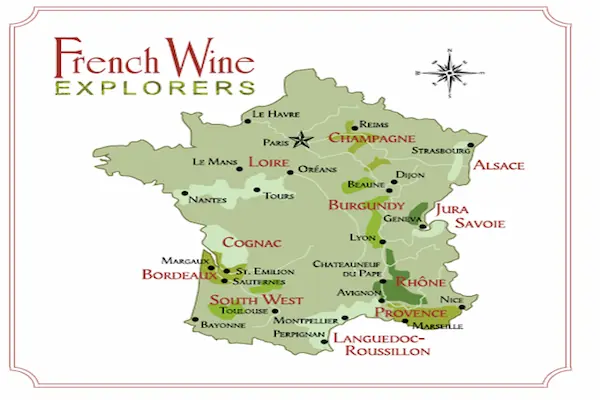
Traveling through the wine regions of France offers much more than tasting renowned bottles, because each vineyard landscape reflects centuries of tradition, local identity, and a close relationship between land, climate, and culture that shapes how wine is produced and enjoyed.
For travelers interested in wine, food, and regional authenticity, designing a wine regions itinerary France becomes an opportunity to experience the country at a human pace, where meals are long, conversations matter, and scenery changes gently from one region to another.
This itinerary was created for wine enthusiasts who seek a balance between sophistication and accessibility, allowing both experienced wine lovers and curious beginners to explore French wine tourism without feeling intimidated or rushed.
Rather than focusing exclusively on famous labels, this guide highlights regions, landscapes, and experiences that help visitors understand why French wine culture remains influential worldwide.
The objective is to organize a coherent enogastronomic journey that connects vineyards, small towns, and everyday culinary traditions into a memorable and enriching travel experience.
Why France Is Ideal for a Wine-Focused Itinerary
France’s reputation as a global wine reference is rooted in its diversity, because wine regions differ significantly in climate, grape varieties, production methods, and cultural context.
Exploring several regions within one itinerary allows travelers to compare styles and deepen appreciation.
Reasons Wine Tourism Thrives in France
- Long-standing winemaking traditions.
- Distinct regional identities.
- Strong connection between wine and food.
- Picturesque vineyard landscapes.
Wine becomes a lens to understand France itself.
Understanding the Concept of Terroir
One of the most important ideas in French wine culture is terroir, a concept that links soil, climate, geography, and human know-how into a unique expression found in each bottle.
Recognizing terroir helps travelers appreciate regional differences beyond grape names.
Elements That Shape Terroir
- Soil composition.
- Climate and microclimate.
- Topography and altitude.
- Local winemaking traditions.
This perspective enriches tasting experiences.
Elegance and Celebration
Champagne is synonymous with celebration and refinement, yet visiting the region reveals a quieter countryside marked by rolling hills, chalky soils, and villages devoted almost entirely to sparkling wine production.
This region works well as a refined starting point for a wine itinerary.
What Defines the Champagne Experience
- Cool climate vineyards.
- Underground cellars.
- Strong regional identity.
The atmosphere feels precise and polished.
History and Wine Culture
Reims combines wine heritage with historical depth, offering an urban base that connects easily to surrounding vineyards and cellar experiences.
The city provides context and comfort for exploration.
Precision and Terroir Expression
Burgundy represents one of the most nuanced wine regions in France, where small variations in vineyard location create distinct wine expressions that fascinate enthusiasts.
This region appeals to travelers interested in detail, craftsmanship, and tradition.
Why Burgundy Is Central to Wine Tourism France
- Strong focus on terroir.
- Historic vineyard classifications.
- Charming wine villages.
The experience feels intimate and contemplative.
Gateway to Burgundy Wines
Beaune serves as a natural hub for exploring Burgundy, combining walkable streets, wine heritage, and proximity to renowned vineyard areas.
The town offers a relaxed base for tastings and exploration.
Diversity and Freshness
The Loire Valley is one of France’s most diverse wine regions, stretching across a wide area and producing a variety of styles that reflect different climates and soils.
This region suits travelers who enjoy variety and scenic landscapes.
Characteristics of Loire Valley Wines
- Fresh and expressive styles.
- Wide grape diversity.
- River-influenced landscapes.
The region feels light and approachable.
Wine and Stone
Saumur blends wine production with distinctive stone architecture, offering cellar visits carved into hillsides and a calm town atmosphere.
The experience feels balanced and authentic.
Structure and Tradition
Bordeaux is one of the most internationally recognized wine regions, known for structured wines, grand estates, and a strong historical link between wine and commerce.
The region offers a classic and educational wine tourism experience.
Why Bordeaux Belongs in a Wine Itinerary
- Clear regional classifications.
- Architectural wine estates.
- Strong food and wine pairing traditions.
The setting feels formal yet welcoming.
Village and Vineyards
Saint-Émilion combines historic charm with vineyard surroundings, creating an ideal environment for travelers who want wine experiences within a small-town setting.
The atmosphere feels intimate and picturesque.
Aromatic Wines and Village Life
Alsace offers a unique wine culture influenced by geography and history, producing aromatic wines along a scenic route lined with colorful villages.
This region appeals to travelers who value visual charm and gentle exploration.
What Makes Alsace Wine Tourism Special
- Village-centered wine routes.
- Distinct bottle styles.
- Strong regional identity.
The experience feels warm and approachable.
Storybook Setting
Riquewihr exemplifies Alsace wine villages, where vineyards rise behind colorful streets and daily life revolves around wine and hospitality.
Moments here feel charming and unforced.
Rosé, Light, and Landscape
Provence is closely associated with rosé wines, yet the region also offers a broader wine culture set within landscapes defined by light, stone, and olive groves.
This area suits travelers seeking relaxed elegance.
Why Provence Complements Other Wine Regions
- Informal tasting culture.
- Scenic rural settings.
- Strong link between wine and lifestyle.
The atmosphere feels sunny and accessible.
Designing a Logical Wine Regions Itinerary France
Organizing a wine-focused trip requires careful sequencing to balance travel time and tasting experiences.
Suggested Itinerary Structure
- Select three to four regions.
- Group regions geographically.
- Plan rest days between tastings.
- Mix urban and rural bases.
This structure prevents fatigue.
Wine Experiences Beyond Tastings
Wine tourism in France extends beyond cellar visits.
Additional Enogastronomic Experiences
- Local markets.
- Regional cooking traditions.
- Vineyard walks.
- Small-town dining.
Food and wine form a continuous dialogue.
Responsible and Enjoyable Wine Travel
Enjoying wine responsibly enhances the overall experience.
Practical Considerations
- Pace tastings carefully.
- Alternate tasting and travel days.
- Focus on quality, not quantity.
Mindful travel supports enjoyment.
Common Mistakes in Wine Tourism France
Overloading the Itinerary
Too many tastings reduce appreciation.
Ignoring Regional Culture
Wine reflects lifestyle and history.
Rushing Through Villages
Atmosphere matters.
Simple Checklist for a Wine Regions Trip
Before Departure
- Choose regions intentionally.
- Learn basic wine styles.
During the Trip
- Balance tastings with meals.
- Stay hydrated and rested.
After Each Region
- Reflect on differences.
Comparison deepens understanding.
Frequently Asked Questions About Wine Regions Itinerary France
Is this itinerary suitable for beginners?
Yes, with an open and curious mindset.
How many regions are ideal in one trip?
Three to four for balance.
Is wine tourism only about tasting?
No, culture and food are central.
Final Thoughts: Wine as a Cultural Journey
Following a thoughtfully designed wine regions itinerary France allows travelers to experience French wine not as an isolated product, but as a cultural expression shaped by land, people, and tradition.
When vineyards, villages, and meals are approached with curiosity and respect, wine tourism becomes a refined yet accessible way to understand France at its most authentic.
Which wine region from this itinerary most reflects your personal taste and travel style, and how might you shape your journey to savor it fully?