
Exploring museums in France is one of the most effective ways to understand the country beyond its streets, cafés, and landscapes, because French museums preserve centuries of artistic creation, political transformation, scientific progress, and everyday life in carefully curated spaces designed to educate and inspire.
For the urban traveler who enjoys culture, architecture, and intellectual discovery, French museums offer experiences that range from monumental national collections to smaller institutions focused on very specific themes, allowing each visit to feel distinct and meaningful.
This guide to museums in France was created to highlight the most important and rewarding museums across the country, with a strong focus on art and history, while also helping visitors understand what makes each museum unique and how they fit into a broader cultural journey.
Rather than listing museums without context, this article values their role in telling stories, preserving heritage, and shaping the identity of French cities, making it easier for travelers to choose museums that align with their personal interests and available time.
The intention is to show why museums are not just optional stops, but essential spaces for anyone who wants to appreciate France as a cultural force with deep historical roots and ongoing artistic influence.
Why Museums Play a Central Role in French Culture
Museums in France are deeply connected to the country’s history, because many institutions were created as public spaces meant to preserve national heritage and make knowledge accessible to citizens and visitors alike.
Unlike purely touristic attractions, museums are often integrated into daily urban life, serving as places of learning, reflection, and civic pride.
Key Reasons Museums Matter in France
- Preservation of national and regional heritage.
- Public access to art and knowledge.
- Educational role for all ages.
- Architectural reuse of historic buildings.
Visiting museums helps decode French identity.
Types of Museums You Will Find in France
France offers a wide variety of museums, each serving different interests and styles of exploration, which makes it possible to design museum visits that feel balanced rather than repetitive.
Main Categories of French Museums
- Fine art museums.
- History and archaeology museums.
- Science and technology museums.
- Specialized and thematic museums.
- Regional and local museums.
Understanding categories helps refine choices.
The Heart of French Museums
Paris concentrates a remarkable number of world-class museums, making it one of the most important cultural capitals globally and a central reference point when discussing the best museums in France.
The city’s museums range from vast national institutions to more focused collections housed in architecturally significant buildings.
Scale, History, and Art
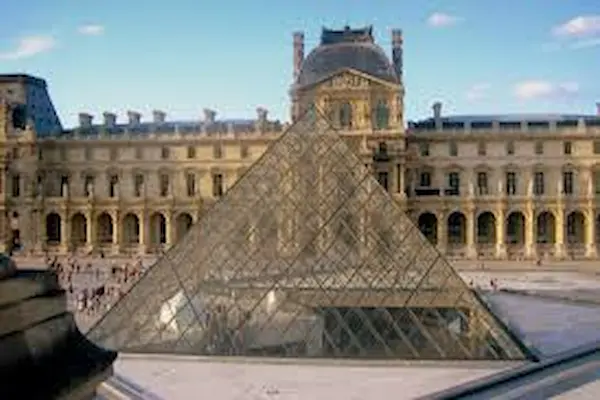
The Louvre Museum is not only the most famous museum in France, but also one of the largest and most comprehensive art museums in the world, with collections spanning thousands of years and multiple civilizations.
Housed in a former royal palace, the Louvre itself is a historical artifact, adding layers of meaning to the artworks displayed inside.
What Makes the Louvre Essential
- Extensive collections from antiquity to the 19th century.
- Masterpieces of painting, sculpture, and decorative arts.
- Architectural significance of the building.
Focused planning improves the visit.
From Industry to Impressionism
The Musée d’Orsay occupies a former railway station and is renowned for its collection of art from the late 19th and early 20th centuries, offering a focused yet rich exploration of artistic transformation.
The museum’s layout and natural light enhance the viewing experience.
Why Orsay Stands Out
- Strong focus on Impressionism and Post-Impressionism.
- Human-scale galleries.
- Iconic architectural interior.
This museum balances depth and accessibility.
Modern and Contemporary Perspectives
The Centre Pompidou is dedicated to modern and contemporary art, featuring bold architecture that contrasts sharply with historic Paris.
This museum invites visitors to engage with experimental and evolving forms of artistic expression.
Main Highlights of the Pompidou
- Modern art collections.
- Temporary exhibitions.
- Panoramic city views.
The experience feels dynamic and forward-looking.
Historic and Archaeological Museums in Paris
Beyond fine art, Paris offers museums that focus on history, archaeology, and social development.
Notable History-Oriented Museums
-
- City history museums.
- Archaeological collections.
- Military history institutions.
li>
These museums contextualize the city’s past.
Museums Outside Paris Worth Knowing
Although Paris dominates cultural tourism, many of the best museums in France are located in other cities, often reflecting regional identity and history.
Museums and Urban Heritage
Lyon’s museums reflect its long history as a center of trade, industry, and culture, offering insights into both local and national narratives.
Types of Museums Found in Lyon
- Fine art collections.
- Urban and social history museums.
- Science and innovation institutions.
Lyon’s museums complement its historic streets.
Mediterranean Perspectives
Marseille’s museums often explore themes of migration, Mediterranean culture, and maritime history, reflecting the city’s role as a port and crossroads.
What Makes Marseille’s Museums Distinct
- Focus on cultural exchange.
- Modern architectural spaces.
- Regional storytelling.
The museums feel connected to the sea.
Cross-Border History
Strasbourg’s museums reflect its unique position between cultures, offering perspectives shaped by shifting borders and shared heritage.
Common Themes in Strasbourg Museums
- Regional identity.
- European history.
- Artistic exchange.
The city’s museums feel layered and reflective.
Smaller Museums With Strong Impact
Not all meaningful museum experiences require vast collections, because smaller institutions often provide focused narratives and intimate encounters.
Advantages of Smaller Museums
- Clear thematic focus.
- Less crowded spaces.
- Stronger sense of place.
Depth sometimes comes from scale.
How to Choose the Right Museums for Your Trip
Choosing museums strategically improves enjoyment and prevents fatigue.
Questions to Ask Before Visiting
- What period or theme interests me most?
- How much time do I want to spend indoors?
- Do I prefer large collections or focused exhibits?
Intentional choices enhance satisfaction.
Planning a Museum-Focused Day
A well-planned museum day balances intellectual engagement with rest.
Suggested Structure
- One major museum in the morning.
- Lunch break nearby.
- Optional smaller museum or walk.
Spacing prevents overload.
Museums and Architecture
Many museums in France are housed in historically significant or architecturally innovative buildings, making the visit a dual experience.
Types of Museum Buildings
- Former palaces.
- Converted industrial spaces.
- Contemporary architectural landmarks.
The setting shapes perception.
Common Mistakes When Visiting Museums in France
Trying to See Everything
Selectivity leads to deeper appreciation.
Ignoring Temporary Exhibitions
These often provide unique insights.
Skipping Context
Reading introductions enriches understanding.
Simple Checklist for Museum Lovers
Before the Visit
- Identify priority museums.
- Allocate realistic time.
During the Visit
- Take breaks.
- Focus on highlights.
After the Visit
- Reflect on themes.
Reflection deepens impact.
Frequently Asked Questions About Museums in France
Are French museums suitable for casual visitors?
Yes, many are designed for general audiences.
Do museums focus only on art?
No, history, science, and culture are well represented.
Is it worth visiting museums outside Paris?
Absolutely, regional museums offer unique perspectives.
Final Thoughts: Museums as Gateways to France
Visiting museums in France allows urban travelers to engage deeply with the country’s artistic and historical foundations, transforming trips into journeys of understanding rather than surface-level sightseeing.
When museums are chosen thoughtfully and visited with curiosity rather than urgency, they become gateways to stories, emotions, and ideas that define France across centuries.
Which museum themes or cities resonate most with your curiosity, and how might you design your next cultural journey around them?