
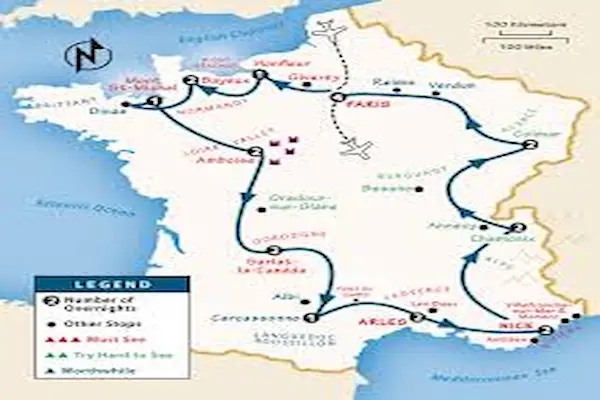
Traveling through the French countryside offers a completely different rhythm compared to visiting large cities, because daily life unfolds more slowly, landscapes stretch gently toward the horizon, and small towns invite visitors to pause rather than rush.
For travelers seeking tranquility, space, and a sense of connection with local routines, designing a france countryside itinerary becomes an opportunity to experience France beyond monuments, crowds, and strict schedules.
This guide was created for tourists who value silence, scenery, and authenticity, and who feel more comfortable exploring rural France, small towns, and lesser-known regions at a thoughtful and unhurried pace.
Instead of focusing on isolated attractions, the itinerary emphasizes regions, villages, and routes that naturally fit together, allowing each stop to feel meaningful without pressure.
The intention is to help you imagine a journey through rural France that feels restorative, coherent, and deeply human, where calm mornings, local markets, and countryside views define the experience.
Why Choose a Countryside Itinerary in France
France is often associated with its capital and famous coastal destinations, yet much of its identity lives quietly in the countryside, where traditions, food, and landscapes remain closely tied to the land.
Choosing a rural itinerary allows travelers to engage with France in a more intimate way.
Main Reasons Travelers Prefer Rural France
- Lower noise levels and fewer crowds.
- Stronger connection with nature.
- Authentic small-town atmosphere.
- Opportunities for slow travel.
This style of travel favors presence over productivity.
Understanding Rural France as a Network of Regions
Rural France is not a single landscape, but a mosaic of regions shaped by geography, climate, and history, which means that each countryside area offers a distinct experience.
Planning becomes easier when the itinerary follows regional logic instead of isolated destinations.
Common Features of Rural Regions in France
- Villages centered around markets or churches.
- Agricultural landscapes and vineyards.
- Historic farmhouses and stone architecture.
- Local festivals and seasonal rhythms.
These shared traits create a sense of continuity.
Gentle Hills and Small Town Life
Burgundy offers a peaceful introduction to rural France, with rolling hills, vineyards, canals, and towns that feel quietly self-contained.
This region suits travelers who enjoy subtle beauty and cultural depth without spectacle.
Why Burgundy Works Well for a Countryside Route
- Balanced landscapes and villages.
- Walkable small towns.
- Strong local food culture.
Burgundy invites slow exploration.
History in a Calm Setting
Cluny is a small town with a powerful historical presence, surrounded by countryside that reinforces its reflective atmosphere.
Staying here allows travelers to combine cultural interest with rural calm.
Space, Silence, and Nature
Auvergne represents one of the quietest parts of rural France, where volcanic landscapes, open pastures, and small stone villages create a feeling of distance from modern urgency.
This region appeals to travelers who truly want to disconnect.
What Makes Auvergne Ideal for Tranquility Seekers
- Low population density.
- Expansive natural scenery.
- Minimal tourist pressure.
Time seems to slow here.
Rural Character Preserved
Salers feels rooted in tradition, with stone buildings and a layout that encourages wandering rather than destination-focused sightseeing.
This village embodies the calm spirit of the region.
Rivers and Villages
The Dordogne region combines gentle rivers, farmland, and medieval villages, creating an inviting environment for slow countryside travel.
This area suits travelers who enjoy visual harmony and outdoor calm.
Why Dordogne Fits a Rural Itinerary
- Compact distances between villages.
- Scenic river valleys.
- Strong sense of place.
Exploration feels natural and fluid.
Elevated Views and Stillness
Domme sits above the countryside, offering open views and a quiet atmosphere that encourages visitors to linger rather than move on quickly.
Moments here feel unhurried.
Light, Stone, and Rhythm
The Luberon region in Provence is often associated with beauty and charm, yet beyond popular villages, many small towns remain peaceful and deeply rural.
This area balances visual appeal with everyday life.
What Defines Rural Provence
- Stone villages.
- Open countryside.
- Seasonal agricultural rhythms.
Atmosphere matters more than landmarks.
Quiet Alternative
Saignon offers a quieter experience than better-known villages, while preserving the same architectural and landscape charm.
It suits travelers who value discretion and calm.
Rural Life Between Vineyards
Alsace is known for picturesque villages, yet many smaller towns remain serene and grounded in agricultural life.
This region blends cultural character with countryside calm.
Small-Scale Charm
Kaysersberg feels balanced between beauty and daily life, offering visitors a sense of welcome without spectacle.
Moments here feel intimate.
How to Organize a Logical Countryside Route
A countryside itinerary benefits from thoughtful sequencing that minimizes travel fatigue.
Suggested Planning Principles
- Choose one or two regions.
- Stay multiple nights in each base.
- Limit daily driving distances.
- Allow free afternoons.
Simplicity supports tranquility.
Transportation for Rural France
Transportation choices influence how relaxed the journey feels.
Common Options
- Car rental for flexibility.
- Regional trains for town connections.
Combining both often works best.
Daily Life and Rhythm in Small Towns France
Small towns operate on rhythms shaped by meals, markets, and seasons.
What Travelers Commonly Notice
- Midday closures.
- Early mornings.
- Community-focused events.
Adjusting expectations enhances comfort.
Accommodation Style That Fits the Countryside
Where you stay influences how deeply you experience rural France.
Common Accommodation Types
- Small guesthouses.
- Rural inns.
- Family-run accommodations.
These options support immersion.
Common Mistakes in Rural Itineraries
Trying to See Too Many Regions
Depth matters more than distance.
Expecting Urban Convenience
Rural life follows different rules.
Ignoring Local Schedules
Awareness prevents frustration.
Simple Countryside Travel Checklist
Before Departure
- Select regions carefully.
- Book flexible stays.
During the Trip
- Observe daily rhythms.
- Allow rest.
After Each Stop
- Reflect on pace.
Calm builds gradually.
Frequently Asked Questions About a France Countryside Itinerary
Is rural France suitable for non-drivers?
Some regions are accessible, but a car adds freedom.
Are small towns welcoming to visitors?
Yes, especially respectful travelers.
How many days are ideal?
At least one week for depth.
Final Thoughts: Letting the Countryside Lead the Journey
Following a thoughtfully paced france countryside itinerary allows tranquility to become the defining feature of the trip, as small towns, rural landscapes, and everyday moments gradually shape the experience.
When travel decisions are guided by calm rather than ambition, rural France reveals itself as a place of quiet richness, where simplicity, beauty, and human scale coexist.
Which region or village from this countryside route feels most aligned with the peaceful journey you are hoping to create?