
Choosing which cities to visit in France can quickly become confusing, especially for travelers who realize that the country is not defined by a single style, pace, or landscape, but rather by a collection of cities that feel surprisingly different from one another.
Many first-time visitors begin planning with enthusiasm and soon find themselves torn between famous destinations, lesser-known alternatives, coastal cities, historic centers, and modern hubs, all of which seem appealing for different reasons.
This guide to cities to visit in France was created to help you make clearer decisions by comparing popular cities with strong alternatives, highlighting what makes each place unique, and showing how different cities match different travel styles and expectations.
Instead of presenting a long list without context, this article focuses on comparison, helping you understand tradeoffs between cities, so you can build an itinerary that feels coherent, enjoyable, and realistic rather than rushed or overwhelming.
The goal is to support travelers who feel undecided between regions by offering structured insights that make it easier to choose cities aligned with personal interests, available time, and desired travel pace.
Why Comparing Cities Matters When Traveling in France
France is geographically compact compared to some countries, yet its cities differ greatly in culture, rhythm, architecture, climate, and everyday atmosphere, which means that choosing cities at random can lead to a fragmented travel experience.
When cities are compared intentionally, travelers are more likely to enjoy smooth transitions, balanced itineraries, and a deeper sense of place.
Main Factors That Differentiate French Cities
- Historical background and architecture.
- Urban pace and lifestyle.
- Regional culture and food traditions.
- Proximity to nature or coastline.
- Tourism intensity versus local feel.
Understanding these factors makes choices clearer.
Versus Other Major Cities
Paris is often the default choice for travelers visiting France, and while it offers unmatched cultural density, it is not always the best fit for every travel style or itinerary length.
Comparing Paris with other major cities helps clarify whether its scale and intensity match what you are looking for.
Why Travelers Choose Paris
- World-famous landmarks and museums.
- Historic neighborhoods with strong identity.
- Wide range of cultural experiences.
Possible Tradeoffs of Paris
- Higher costs.
- Crowded attractions.
- Faster urban pace.
Paris suits travelers who enjoy big-city energy and cultural immersion.
Alternative to Paris
Lyon is frequently recommended as an alternative to Paris for travelers who want rich history and culture without the same level of crowds and intensity.
While smaller in scale, Lyon offers a strong cultural identity, excellent food traditions, and a more relaxed rhythm.
Why Choose Lyon Instead of Paris
- More local atmosphere.
- Lower tourism pressure.
- Strong culinary reputation.
When Paris May Be a Better Choice
- If iconic landmarks are a priority.
- If museum variety is essential.
Lyon works well for travelers seeking depth over scale.
Versus Other Coastal Cities
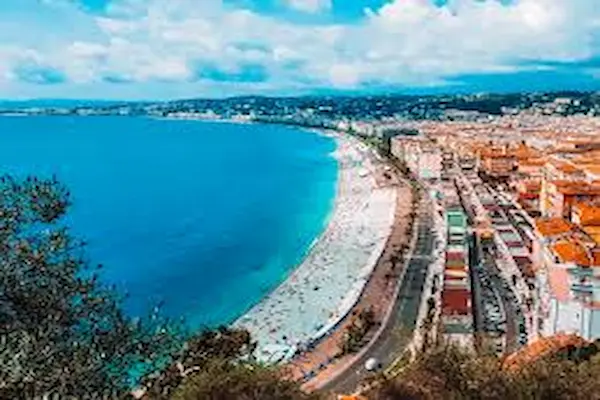
Nice is one of the most popular coastal cities in France, especially for travelers drawn to Mediterranean landscapes and a relaxed yet lively atmosphere.
Comparing Nice with other coastal cities helps determine whether its balance of urban life and seaside relaxation fits your goals.
Strengths of Nice
- Easy access to beaches.
- Pleasant climate.
- Good transport connections.
Potential Limitations
- Busy during peak seasons.
- Higher accommodation costs.
Nice suits travelers who want both city and sea.
More Intense Coastal Option
Marseille offers a very different coastal experience compared to Nice, with stronger contrasts, deeper multicultural influences, and a more rugged urban identity.
Travelers choosing between these cities should consider their tolerance for intensity and desire for authenticity.
Why Some Travelers Prefer Marseille
- Raw, authentic atmosphere.
- Access to dramatic natural landscapes.
- Strong Mediterranean culture.
Why Nice May Feel Easier
- More polished tourist infrastructure.
- Simpler navigation for first-timers.
Marseille appeals to adventurous travelers.
Versus
Bordeaux and Toulouse are often compared by travelers looking for elegant cities in southern France that combine culture, walkability, and access to surrounding regions.
Although geographically not far apart, the atmosphere of these cities differs noticeably.
Bordeaux at a Glance
- Refined architecture.
- Strong wine heritage.
- Calm, polished feel.
Toulouse at a Glance
- Younger, student-driven energy.
- Distinct pink-brick architecture.
- More relaxed and informal vibe.
Bordeaux suits travelers seeking elegance, while Toulouse favors a casual atmosphere.
Versus Eastern Alternatives
Strasbourg stands out among French cities for its strong cross-border cultural influences, blending French and German traditions in a visually striking and historically rich setting.
For travelers interested in regional diversity, Strasbourg offers something distinctly different from western or southern cities.
What Makes Strasbourg Unique
- Half-timbered architecture.
- Distinct Alsatian culture.
- Compact and scenic historic center.
Who Enjoys Strasbourg Most
- Travelers interested in culture and history.
- Visitors seeking postcard-like scenery.
Strasbourg works well for shorter stays.
Large Cities Versus Medium-Sized Cities in France
One of the most important decisions when choosing cities to visit in France is whether to focus on large metropolitan areas or medium-sized cities with a more intimate feel.
Advantages of Large Cities
- Wide range of attractions.
- Excellent transport options.
- Greater nightlife variety.
Advantages of Medium-Sized Cities
- Less crowded environments.
- Easier navigation.
- Stronger local connection.
Mixing both types often works best.
Comparing Cities by Travel Style
Travel style plays a central role in determining which cities feel most enjoyable.
For Culture and Museums
- Paris.
- Lyon.
- Strasbourg.
For Coastal Relaxation
- Nice.
- Marseille.
For Food and Wine
- Lyon.
- Bordeaux.
- Toulouse.
Matching cities to interests improves satisfaction.
Comparing Cities by Pace and Atmosphere
Faster-Paced Cities
- Paris.
- Marseille.
More Relaxed Cities
- Bordeaux.
- Lyon.
- Strasbourg.
Pace affects daily enjoyment.
How Many Cities Should You Choose?
Travelers often overestimate how many cities can be enjoyed comfortably in one trip.
General Guidelines
- One week: one to two cities.
- Ten days: two to three cities.
- Two weeks: three to four cities.
Fewer cities allow deeper exploration.
Sample City Combinations for First-Time Visitors
Classic Combination
- Paris.
- Lyon.
City and Coast Combination
- Paris.
- Nice.
Alternative Route
- Bordeaux.
- Toulouse.
Combinations should minimize travel time.
Common Mistakes When Choosing Cities in France
Following Popularity Alone
Famous does not always mean best fit.
Underestimating Travel Time
Distances add up quickly.
Ignoring Personal Preferences
Travel style matters more than trends.
Simple Comparison Checklist for Choosing Cities
Before Deciding
- Identify main interests.
- Determine preferred pace.
During Comparison
- Compare city size and atmosphere.
- Evaluate transport connections.
Final Selection
- Limit number of cities.
- Leave room for rest.
Structure simplifies decisions.
Frequently Asked Questions About Cities to Visit in France
Is Paris enough for a first trip?
It can be, but combining cities adds variety.
Are smaller cities worth visiting?
They often provide deeper local experiences.
Should I focus on one region?
This reduces travel fatigue.
Final Thoughts: Choosing Cities With Confidence
Deciding which cities to visit in France becomes much easier when you move beyond simple popularity rankings and start comparing cities based on atmosphere, pace, and personal interests.
By understanding how major cities differ from alternatives, and how each destination supports a specific travel style, you can create an itinerary that feels coherent, enjoyable, and memorable rather than rushed.
Which two or three cities best reflect the kind of experience you want from France, and how can you combine them in a way that leaves space for discovery rather than constant movement?