
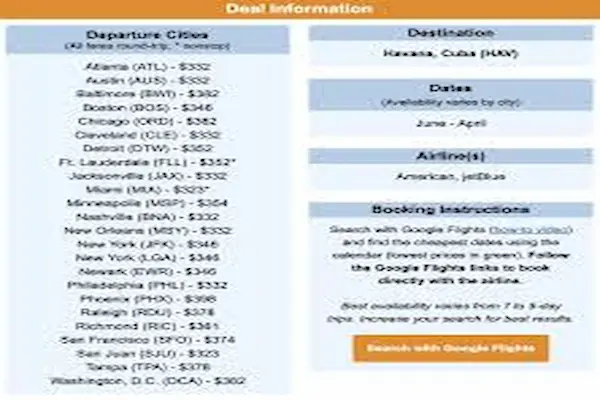
Understanding the most common travel deal mistakes is essential for travelers who actively look for discounts but want to avoid falling into traps that turn an apparent bargain into a stressful and expensive experience, especially in a digital environment where promotions are constant, urgency is artificially created, and transparency is not always guaranteed.
For the cautious tourist, the problem is rarely a lack of research effort, but rather the difficulty of separating genuine savings from misleading offers that hide extra costs, unrealistic conditions, or limitations that only become clear after payment.
This alert-focused guide was designed to explain travel booking mistakes in a practical and preventive way, helping travelers recognize warning signs, slow down decision-making, and protect both their budget and peace of mind while searching for deals.
The goal is not to discourage travelers from seeking discounts, but to provide clarity so that savings are real, intentional, and aligned with the actual travel experience being purchased.
Why Travel Deals Often Lead to Mistakes
Travel deals trigger emotional responses such as fear of missing out, excitement, and urgency, which can override careful analysis and lead to decisions made too quickly.
Understanding how deals are presented helps travelers regain control over the booking process.
Psychological Triggers Behind Deal Mistakes
- Artificial urgency created by countdowns.
- Limited availability messages.
- Comparison with inflated original prices.
- Fear of paying more later.
Awareness reduces impulsive decisions.
Confusing “Cheap” With “Good Value”
One of the most frequent travel deal mistakes is assuming that the lowest price automatically represents the best option, without considering comfort, location, restrictions, or total cost.
Why Cheap Is Not Always Better
- Inconvenient schedules.
- Poor locations.
- Extra fees added later.
Value combines price and usability.
Questions to Ask Before Booking
- Does this option fit my itinerary?
- Are there hidden costs?
- Will this choice create stress later?
Asking questions prevents regret.
Ignoring the Total Cost of the Trip
Many promotions focus on one element of travel, such as airfare or accommodation, while ignoring related expenses that significantly affect the final budget.
Costs Often Overlooked
- Baggage fees.
- Transportation from remote locations.
- Mandatory service charges.
- Local taxes.
Total cost matters more than headline price.
Falling for “From” Prices and Partial Information
Advertisements often display the lowest possible price, which may apply only to very specific dates, times, or conditions.
Common Issues With “From” Prices
- Limited availability.
- Unpopular travel times.
- Non-refundable conditions.
Reading details prevents disappointment.
Booking Without Understanding Cancellation Policies
Low prices frequently come with strict cancellation rules that limit flexibility.
Why Cancellation Terms Matter
- Plans may change.
- Unexpected events occur.
- Travel restrictions can evolve.
Flexibility often has value.
Overlooking Refund and Change Fees
Even when changes are allowed, fees can eliminate any initial savings.
Potential Consequences
- Paying more to modify bookings.
- Being forced to keep unusable reservations.
Cheap deals can become expensive.
Trusting Unverified or Unclear Sellers
Some travel booking mistakes happen when travelers prioritize price over credibility.
Warning Signs to Watch For
- Unclear company identity.
- Poor communication.
- Missing customer support details.
Clarity builds trust.
Misunderstanding Accommodation Deals
Accommodation deals often hide conditions that affect comfort and convenience.
Common Accommodation Deal Pitfalls
- Misleading photos.
- Unexpected shared spaces.
- Extra cleaning or service fees.
Details shape the stay.
Choosing Poor Locations to Save Money
Staying far from main areas may reduce nightly costs but increase transportation time and expenses.
Location Trade-Offs
- Longer commutes.
- Limited dining options.
- Reduced safety at night.
Location affects the whole experience.
Overcommitting to Non-Refundable Deals
Non-refundable deals lock travelers into plans that may no longer suit them.
When Non-Refundable Makes Sense
- Plans are fully confirmed.
- Dates are fixed.
Certainty should guide commitment.
Booking Too Quickly Without Comparison
Rushing into a deal often leads to missed alternatives.
Comparison Mistakes
- Not checking similar dates.
- Ignoring nearby airports or locations.
Comparison reveals true value.
Misinterpreting Limited-Time Offers
Limited-time deals are often repeated or replaced by similar promotions.
Understanding Artificial Urgency
- Timers reset.
- Deals reappear.
Patience protects budgets.
Assuming Deals Apply Equally to Everyone
Some deals apply only under specific conditions.
Conditional Restrictions
- Specific residency requirements.
- Membership conditions.
- Age or group limitations.
Eligibility matters.
Not Reading the Fine Print Carefully
Many travel booking mistakes are hidden in overlooked details.
What the Fine Print Often Includes
- Fees.
- Restrictions.
- Usage limitations.
Details protect travelers.
Confusing Discounts With Quality Guarantees
A discounted service is not necessarily inferior, but assumptions can mislead expectations.
Balancing Expectations
- Understand what is included.
- Accept trade-offs knowingly.
Clarity prevents dissatisfaction.
Common Flight Deal Mistakes
Ignoring Layover Lengths
Long layovers add fatigue.
Overlooking Arrival Times
Late arrivals affect transportation.
Skipping Seat and Baggage Rules
Extras raise costs.
Common Hotel Deal Mistakes
Assuming Amenities Are Included
Breakfast and services may cost extra.
Misreading Room Descriptions
Room type matters.
Step-by-Step Checklist to Avoid Travel Deal Mistakes
- Pause before booking.
- Review total cost.
- Check cancellation rules.
- Compare alternatives.
- Confirm seller credibility.
- Read all conditions.
Structure reduces risk.
How to Evaluate Whether a Deal Is Truly Good
A good deal aligns price, flexibility, comfort, and reliability.
Key Evaluation Questions
- Does this meet my needs?
- Is the price fair compared to alternatives?
- Are risks acceptable?
Balanced thinking wins.
Why Slower Decision-Making Saves Money
Slowing down helps travelers notice details that rushed decisions miss.
Most deals remain available long enough for careful review.
Developing a Cautious Deal-Seeking Mindset
The most successful budget travelers combine curiosity with skepticism.
Saving money becomes easier when emotional pressure is removed.
Final Thoughts: Turning Travel Deal Mistakes Into Smart Habits
Recognizing travel deal mistakes is a powerful step toward becoming a more confident and protected traveler, especially in a market where promotions are designed to encourage quick decisions.
For the cautious tourist, learning to pause, question, and compare transforms deal hunting into a strategic process rather than a gamble.
By applying awareness, reading conditions carefully, and prioritizing total value over headline prices, travelers can enjoy real savings without unpleasant surprises.
Which travel booking mistake do you feel most tempted to make when you see a deal that looks too good to ignore?