
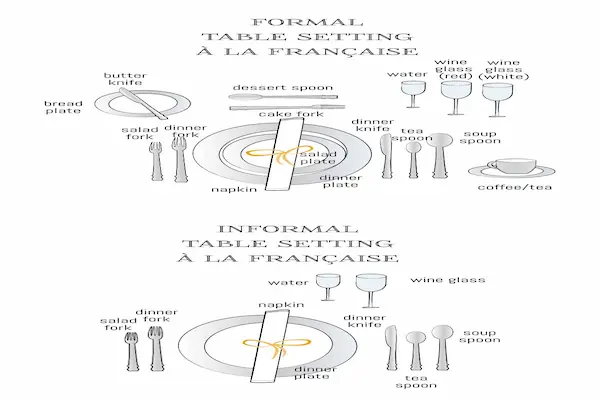
Learning french etiquette tips before traveling is one of the most effective ways to avoid uncomfortable situations, because etiquette in France is not about rigid formality, but about shared social codes that signal respect, awareness, and consideration for others in everyday life.
For a polite traveler, cultural misunderstandings rarely come from bad intentions, but from habits that feel normal at home and slightly out of place in France, where greetings, language, personal space, and social timing follow patterns shaped by long-standing traditions.
This preventive and educational guide was created to explain french etiquette in a clear, reassuring way, helping travelers understand what is generally expected in common situations, so that interactions feel smoother, more relaxed, and more respectful on both sides.
The goal is not to make visitors anxious about making mistakes, but to provide enough social context to navigate France with confidence, curiosity, and cultural sensitivity.
Why Etiquette Matters So Much in France
In French culture, etiquette functions as a social lubricant, helping interactions flow smoothly by establishing mutual respect before practical matters are addressed.
Rather than being overly strict, French etiquette provides structure, allowing people to interact politely even when they do not know each other, which is especially important in public spaces, shops, and service settings.
What Etiquette Communicates
- Respect for others.
- Awareness of social norms.
- Good intentions.
- Cultural sensitivity.
Etiquette reassures people quickly.
Greeting Etiquette: The Foundation of Social Interaction
Greetings are the cornerstone of French etiquette, and many perceived rudeness issues arise simply from skipping this essential step.
When Greetings Are Expected
- Entering a shop.
- Approaching a service counter.
- Starting a conversation.
- Joining a small group.
A greeting acknowledges the other person.
Why Greetings Carry So Much Weight
In France, greeting someone establishes a basic social connection, signaling that you recognize them as a person before making a request.
Politeness Words That Should Never Be Skipped
Polite expressions are not optional extras, but integral parts of everyday communication.
Essential Polite Expressions
- Please.
- Thank you.
- Excuse me.
- You’re welcome.
Using these consistently changes how interactions unfold.
Language Etiquette for Non-French Speakers
Not speaking French fluently is not a problem, but how you handle the language barrier matters greatly.
Best Practices for Language Courtesy
- Start interactions politely.
- Acknowledge language limitations.
- Remain patient and calm.
Effort is often more important than accuracy.
Personal Space and Physical Distance
France generally values moderate personal space, especially in professional and public contexts.
Situations Where Distance Matters
- Standing in lines.
- Speaking with strangers.
- Using public transportation.
Respecting space signals awareness.
Dining Etiquette in France
Dining etiquette reflects deeper cultural values related to food, time, and social interaction.
Table Manners to Keep in Mind
- Hands visible on the table.
- Meals enjoyed without rushing.
- Conversation during meals.
Dining is a shared experience.
Restaurant Etiquette Basics
- Wait to be seated if unsure.
- Ask for the bill when ready.
- Respect the dining pace.
Service follows a deliberate rhythm.
Café Etiquette: Small Rules With Big Impact
Cafés operate with their own set of social expectations.
Common Café Norms
- Greeting staff upon entry.
- Choosing seating appropriately.
- Taking time without pressure.
Cafés are spaces to pause.
Queueing and Public Order
Queueing is respected in France, even when lines are informal.
Public Order Expectations
- Wait your turn.
- Avoid pushing or rushing.
Order reflects mutual respect.
Volume and Public Behavior
Public behavior in France tends to favor moderation.
Common Expectations
- Moderate speaking volume.
- Controlled gestures.
Discretion is appreciated.
Dress and Appearance Etiquette
Appearance in France communicates self-respect rather than status.
General Appearance Guidelines
- Clean and neat clothing.
- Avoid overly casual attire in cities.
Effort matters more than fashion.
Social Interactions and Conversation Etiquette
Conversation style in France values clarity and thoughtfulness.
Conversation Norms
- Listening before responding.
- Respectful disagreement.
Dialogue is culturally valued.
Topics to Approach Carefully
- Personal income.
- Private family matters.
Boundaries are respected.
Etiquette in Shops and Services
Service interactions follow formal but polite patterns.
Expected Behavior in Shops
- Greet when entering.
- Ask before touching items.
- Thank staff when leaving.
Courtesy frames the transaction.
Public Transportation Etiquette
Public transport etiquette focuses on efficiency and shared space.
Key Transport Rules
- Offer seats when appropriate.
- Keep noise low.
- Prepare tickets in advance.
Small gestures ease collective movement.
Home Visits and Invitations
Being invited into someone’s home is considered meaningful.
Home Visit Etiquette
- Arrive on time.
- Express appreciation.
- Respect house routines.
Hospitality is valued.
Regional Differences in Etiquette
Etiquette varies subtly across regions, though core principles remain consistent.
Urban Example:
In Paris, interactions may feel more formal and fast-paced, especially in professional or service contexts.
Rural Etiquette Tendencies
- More personal greetings.
- Longer conversations.
Context influences behavior.
Common Etiquette Mistakes Travelers Make
Skipping Greetings
This is the most frequent issue.
Assuming Informality
Formality often comes first.
Rushing Interactions
Patience is appreciated.
How to Recover Gracefully From an Etiquette Mistake
Mistakes happen, and recovery is usually simple.
Graceful Recovery Steps
- Acknowledge politely.
- Smile and adjust.
Goodwill resolves most situations.
Step-by-Step French Etiquette Checklist for Travelers
- Greet before speaking.
- Use polite expressions.
- Respect personal space.
- Observe before acting.
- Remain calm and patient.
Consistency builds confidence.
Why Etiquette Enhances the Travel Experience
Understanding etiquette transforms interactions from transactional to human, allowing travelers to feel more connected and welcomed.
Respectful behavior often leads to warmer responses and unexpected kindness.
Final Thoughts: Using French Etiquette Tips as a Cultural Compass
Applying french etiquette tips is not about performing perfectly, but about approaching French society with respect, curiosity, and awareness.
For the polite traveler, etiquette becomes a cultural compass, guiding interactions gently and reducing unnecessary friction.
By embracing these basic social rules, visitors gain not only smoother interactions, but also a deeper appreciation of the values that shape everyday life in France.
Which etiquette habit do you think will require the biggest adjustment for you during your trip?