
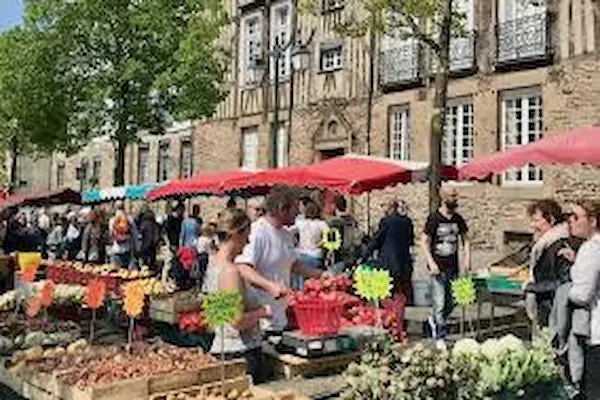
Exploring local markets in France is one of the most authentic ways a curious traveler can connect with the country’s everyday life, because markets are not staged attractions created for visitors, but living spaces where routines, traditions, conversations, and flavors unfold naturally.
While museums preserve history and monuments symbolize national identity, markets reveal how people actually live, eat, shop, and interact, making them invaluable windows into French culture that go far beyond sightseeing.
This guide was created to help travelers interested in french markets travel experiences understand what makes these spaces so central to French life, how they vary by region and season, and what kind of experiences they offer beyond buying food.
The objective is not only to list markets, but to explain their role, atmosphere, unwritten rules, and cultural meaning, allowing visitors to approach them with curiosity, respect, and realistic expectations.
Why Local Markets Matter in French Daily Life
In France, markets are not occasional events reserved for weekends or special occasions, but regular gathering points that structure weekly routines, especially in small towns and residential neighborhoods.
They function as social spaces, economic hubs, and cultural landmarks all at once, where producers, merchants, and customers maintain long-standing relationships built on trust and familiarity.
The Cultural Importance of Markets
- Support for local producers.
- Preservation of regional food traditions.
- Social interaction across generations.
- Connection between city and countryside.
Markets represent continuity in a fast-changing world.
What Makes French Markets Different From Supermarkets
Although supermarkets are common in France, markets offer an entirely different experience, both practically and culturally.
At a market, shopping is rarely rushed, and conversations between vendors and customers are an expected part of the process rather than an inconvenience.
Key Differences You Will Notice
- Direct contact with producers.
- Seasonal and regional products.
- Personalized recommendations.
- Greater sensory experience.
Markets engage all the senses at once.
Types of Local Markets in France
France has several types of markets, each serving different needs and offering distinct atmospheres depending on location, time of day, and tradition.
Food Markets
Food markets are the most widespread and recognizable, focusing on fresh produce, meats, cheeses, baked goods, and prepared foods.
- Fruits and vegetables.
- Cheeses and dairy.
- Meats and seafood.
- Breads and pastries.
These markets reflect the local terroir.
Mixed Markets
Many markets combine food stalls with non-food vendors, creating lively environments that resemble open-air villages.
- Clothing and textiles.
- Household goods.
- Flowers and plants.
Variety increases the social aspect.
Specialized Markets
Some markets focus on a single theme, often tied to regional traditions.
- Cheese markets.
- Flower markets.
- Antique markets.
Specialization highlights local expertise.
The Rhythm of a Market Day
Understanding how a typical market day unfolds helps visitors arrive at the right time and appreciate the atmosphere more fully.
Early Morning Setup
Vendors begin setting up very early, arranging products carefully to attract attention and reflect quality.
Mid-Morning Peak
This is when markets are most lively, filled with locals doing their weekly shopping and exchanging news.
Late Morning Wind-Down
As noon approaches, stalls begin closing, and the atmosphere becomes calmer.
Why Timing Matters
- Early visits offer the best selection.
- Later visits feel more relaxed.
Choosing the right moment shapes the experience.
Regional Differences in French Markets
Markets vary significantly across France, reflecting geography, climate, and local traditions.
Southern France Markets
Markets in the south often feel colorful and aromatic, heavily influenced by Mediterranean cuisine.
- Olives and olive oils.
- Herbs and spices.
- Sun-ripened produce.
These markets feel vibrant and expressive.
Northern and Central France Markets
Markets in these regions often emphasize dairy, meats, and baked goods.
- Cheeses with strong regional identity.
- Artisan breads.
The atmosphere is often calmer and more structured.
Urban Markets vs Rural Markets
- Urban markets are busier and more diverse.
- Rural markets feel intimate and personal.
Both offer valuable perspectives.
Markets in Large Cities
Even in major cities, markets remain essential parts of neighborhood life rather than tourist-only attractions.
Example: Markets
Paris hosts dozens of neighborhood markets, each reflecting the character of its district, where residents shop regularly rather than occasionally.
What Urban Markets Offer Travelers
- Insight into daily routines.
- High-quality prepared foods.
- Opportunities for people-watching.
Urban markets balance tradition and modern life.
Interacting With Vendors: Cultural Etiquette
Markets are social spaces, and understanding basic etiquette improves interactions.
Common Expectations
- Greeting vendors before speaking.
- Waiting your turn patiently.
- Showing interest in products.
Courtesy creates warmer exchanges.
Asking Questions
Vendors often enjoy explaining their products, especially when questions show genuine curiosity rather than impatience.
Buying Food at Markets as a Visitor
Shopping at markets does not require deep language skills, but a few habits make the experience smoother.
Practical Buying Tips
- Pointing is acceptable.
- Quantities are often discussed verbally.
- Cash may still be preferred at some stalls.
Simplicity works well.
Markets as Social Experiences, Not Just Shopping
Many locals visit markets not only to buy goods, but to socialize, exchange news, and maintain community ties.
What You Might Observe
- Long conversations.
- Familiar greetings.
- Shared jokes and rituals.
Markets function as social glue.
Food Experiences Beyond Ingredients
Markets also offer ready-to-eat foods that allow visitors to taste local flavors immediately.
Common Market Foods
- Rotisserie chicken.
- Crepes and pastries.
- Regional street foods.
Tasting on the spot enhances immersion.
Markets and Seasonality
Seasonality plays a central role in French markets, influencing both product availability and atmosphere.
Seasonal Variations
- Spring brings fresh greens.
- Summer offers abundant fruits.
- Autumn highlights harvest products.
- Winter focuses on preserved foods.
Seasonal awareness deepens appreciation.
Markets as Windows Into Regional Identity
Each market reflects the identity of its region, making them ideal places to understand local culture without formal explanations.
Regional Markers You May Notice
- Dialect or accent.
- Product emphasis.
- Cooking traditions.
Markets tell stories silently.
Common Mistakes Travelers Make at Markets
Treating Markets Like Tourist Attractions
Markets are living spaces first.
Blocking Walkways or Stalls
Awareness of space is appreciated.
Rushing Interactions
Markets value patience.
How to Include Markets in Your Travel Routine
Markets fit naturally into travel days when planned thoughtfully.
Easy Ways to Integrate Market Visits
- Visit in the morning.
- Combine with a picnic.
- Use markets for breakfast or lunch.
Markets adapt easily to slow travel.
Step-by-Step Guide for First Market Visit
- Observe before buying.
- Start with one stall.
- Greet politely.
- Ask simple questions.
- Enjoy the atmosphere.
Confidence grows quickly.
Why Markets Leave Lasting Impressions
Unlike monuments, markets change constantly, shaped by weather, seasons, and people, making each visit unique.
They create memories rooted in everyday life rather than exceptional moments.
Final Thoughts: Experiencing France Through Its Local Markets
Discovering local markets in France allows travelers to step into the rhythm of daily life, offering authentic encounters that cannot be replicated in guidebooks or museums.
For the curious tourist, markets provide not only flavors and products, but also insight into values, relationships, and traditions that define French culture from the inside.
Approached with patience, respect, and curiosity, French markets become more than stops on an itinerary, turning into meaningful experiences that connect you to the places you visit.
Which type of market experience do you imagine yourself enjoying the most during your time in France?